Deprecated: Creation of dynamic property WP_Term::$cat_ID is deprecated in /var/www/wordpress__2/wp-includes/category.php on line 378
Deprecated: Creation of dynamic property WP_Term::$category_count is deprecated in /var/www/wordpress__2/wp-includes/category.php on line 379
Deprecated: Creation of dynamic property WP_Term::$category_description is deprecated in /var/www/wordpress__2/wp-includes/category.php on line 380
Deprecated: Creation of dynamic property WP_Term::$cat_name is deprecated in /var/www/wordpress__2/wp-includes/category.php on line 381
Deprecated: Creation of dynamic property WP_Term::$category_nicename is deprecated in /var/www/wordpress__2/wp-includes/category.php on line 382
Deprecated: Creation of dynamic property WP_Term::$category_parent is deprecated in /var/www/wordpress__2/wp-includes/category.php on line 383
Deprecated: Creation of dynamic property WP_Term::$cat_ID is deprecated in /var/www/wordpress__2/wp-includes/category.php on line 378
Deprecated: Creation of dynamic property WP_Term::$category_count is deprecated in /var/www/wordpress__2/wp-includes/category.php on line 379
Deprecated: Creation of dynamic property WP_Term::$category_description is deprecated in /var/www/wordpress__2/wp-includes/category.php on line 380
Deprecated: Creation of dynamic property WP_Term::$cat_name is deprecated in /var/www/wordpress__2/wp-includes/category.php on line 381
Deprecated: Creation of dynamic property WP_Term::$category_nicename is deprecated in /var/www/wordpress__2/wp-includes/category.php on line 382
Deprecated: Creation of dynamic property WP_Term::$category_parent is deprecated in /var/www/wordpress__2/wp-includes/category.php on line 383
https://0-x.dudenas.lt/uncategorized/fotoreportazas-is-parodos-kalniukas-architekturos-galerijoje-nulinis-laipsnis-vilniuje/
Deprecated: str_replace(): Passing null to parameter #3 ($subject) of type array|string is deprecated in /var/www/wordpress__2/wp-includes/formatting.php on line 4199
]]>
Deprecated: Creation of dynamic property WP_Term::$cat_ID is deprecated in /var/www/wordpress__2/wp-includes/category.php on line 378
Deprecated: Creation of dynamic property WP_Term::$category_count is deprecated in /var/www/wordpress__2/wp-includes/category.php on line 379
Deprecated: Creation of dynamic property WP_Term::$category_description is deprecated in /var/www/wordpress__2/wp-includes/category.php on line 380
Deprecated: Creation of dynamic property WP_Term::$cat_name is deprecated in /var/www/wordpress__2/wp-includes/category.php on line 381
Deprecated: Creation of dynamic property WP_Term::$category_nicename is deprecated in /var/www/wordpress__2/wp-includes/category.php on line 382
Deprecated: Creation of dynamic property WP_Term::$category_parent is deprecated in /var/www/wordpress__2/wp-includes/category.php on line 383
Deprecated: Creation of dynamic property WP_Term::$cat_ID is deprecated in /var/www/wordpress__2/wp-includes/category.php on line 378
Deprecated: Creation of dynamic property WP_Term::$category_count is deprecated in /var/www/wordpress__2/wp-includes/category.php on line 379
Deprecated: Creation of dynamic property WP_Term::$category_description is deprecated in /var/www/wordpress__2/wp-includes/category.php on line 380
Deprecated: Creation of dynamic property WP_Term::$cat_name is deprecated in /var/www/wordpress__2/wp-includes/category.php on line 381
Deprecated: Creation of dynamic property WP_Term::$category_nicename is deprecated in /var/www/wordpress__2/wp-includes/category.php on line 382
Deprecated: Creation of dynamic property WP_Term::$category_parent is deprecated in /var/www/wordpress__2/wp-includes/category.php on line 383


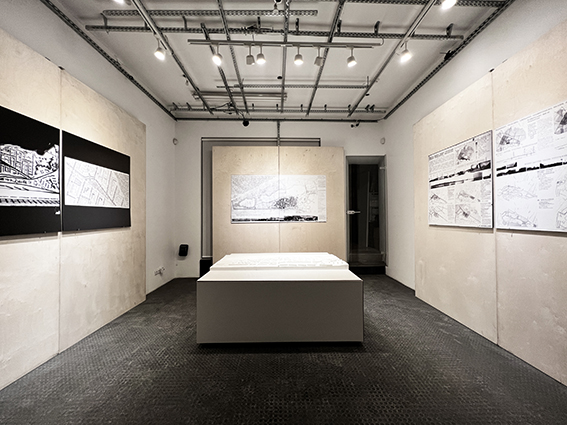


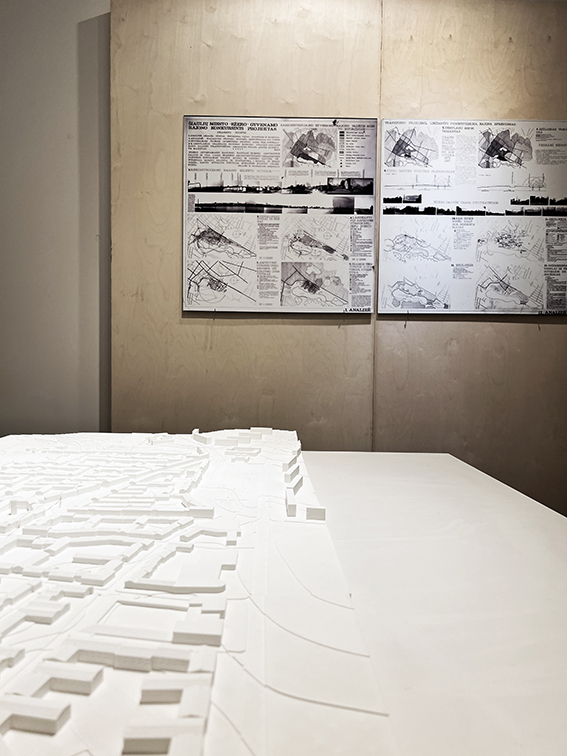


Projektą pristato ir remia:

Projektą remia:




Deprecated: Creation of dynamic property WP_Term::$cat_ID is deprecated in /var/www/wordpress__2/wp-includes/category.php on line 378
Deprecated: Creation of dynamic property WP_Term::$category_count is deprecated in /var/www/wordpress__2/wp-includes/category.php on line 379
Deprecated: Creation of dynamic property WP_Term::$category_description is deprecated in /var/www/wordpress__2/wp-includes/category.php on line 380
Deprecated: Creation of dynamic property WP_Term::$cat_name is deprecated in /var/www/wordpress__2/wp-includes/category.php on line 381
Deprecated: Creation of dynamic property WP_Term::$category_nicename is deprecated in /var/www/wordpress__2/wp-includes/category.php on line 382
Deprecated: Creation of dynamic property WP_Term::$category_parent is deprecated in /var/www/wordpress__2/wp-includes/category.php on line 383
https://0-x.dudenas.lt/leidiniai/parodos-idealizmas-vienetai-leidinys-2022m/
Deprecated: str_replace(): Passing null to parameter #3 ($subject) of type array|string is deprecated in /var/www/wordpress__2/wp-includes/formatting.php on line 4199
]]>
Deprecated: Creation of dynamic property WP_Term::$cat_ID is deprecated in /var/www/wordpress__2/wp-includes/category.php on line 378
Deprecated: Creation of dynamic property WP_Term::$category_count is deprecated in /var/www/wordpress__2/wp-includes/category.php on line 379
Deprecated: Creation of dynamic property WP_Term::$category_description is deprecated in /var/www/wordpress__2/wp-includes/category.php on line 380
Deprecated: Creation of dynamic property WP_Term::$cat_name is deprecated in /var/www/wordpress__2/wp-includes/category.php on line 381
Deprecated: Creation of dynamic property WP_Term::$category_nicename is deprecated in /var/www/wordpress__2/wp-includes/category.php on line 382
Deprecated: Creation of dynamic property WP_Term::$category_parent is deprecated in /var/www/wordpress__2/wp-includes/category.php on line 383

https://issuu.com/_0-nulinislaipsnis/docs/miliu_no_knyga_1_sa_siuvinis
Projektą pristato ir remia:
Deprecated: Creation of dynamic property WP_Term::$cat_ID is deprecated in /var/www/wordpress__2/wp-includes/category.php on line 378
Deprecated: Creation of dynamic property WP_Term::$category_count is deprecated in /var/www/wordpress__2/wp-includes/category.php on line 379
Deprecated: Creation of dynamic property WP_Term::$category_description is deprecated in /var/www/wordpress__2/wp-includes/category.php on line 380
Deprecated: Creation of dynamic property WP_Term::$cat_name is deprecated in /var/www/wordpress__2/wp-includes/category.php on line 381
Deprecated: Creation of dynamic property WP_Term::$category_nicename is deprecated in /var/www/wordpress__2/wp-includes/category.php on line 382
Deprecated: Creation of dynamic property WP_Term::$category_parent is deprecated in /var/www/wordpress__2/wp-includes/category.php on line 383
https://0-x.dudenas.lt/galerija/idealizmas-vienetai-satelitas-architekto-eugenijaus-miliuno-simo-kurybos-parodos-satelitas-vilniaus-nulinio-laipsnio-galerijoje/
Deprecated: str_replace(): Passing null to parameter #3 ($subject) of type array|string is deprecated in /var/www/wordpress__2/wp-includes/formatting.php on line 4199
]]>
Deprecated: Creation of dynamic property WP_Term::$cat_ID is deprecated in /var/www/wordpress__2/wp-includes/category.php on line 378
Deprecated: Creation of dynamic property WP_Term::$category_count is deprecated in /var/www/wordpress__2/wp-includes/category.php on line 379
Deprecated: Creation of dynamic property WP_Term::$category_description is deprecated in /var/www/wordpress__2/wp-includes/category.php on line 380
Deprecated: Creation of dynamic property WP_Term::$cat_name is deprecated in /var/www/wordpress__2/wp-includes/category.php on line 381
Deprecated: Creation of dynamic property WP_Term::$category_nicename is deprecated in /var/www/wordpress__2/wp-includes/category.php on line 382
Deprecated: Creation of dynamic property WP_Term::$category_parent is deprecated in /var/www/wordpress__2/wp-includes/category.php on line 383

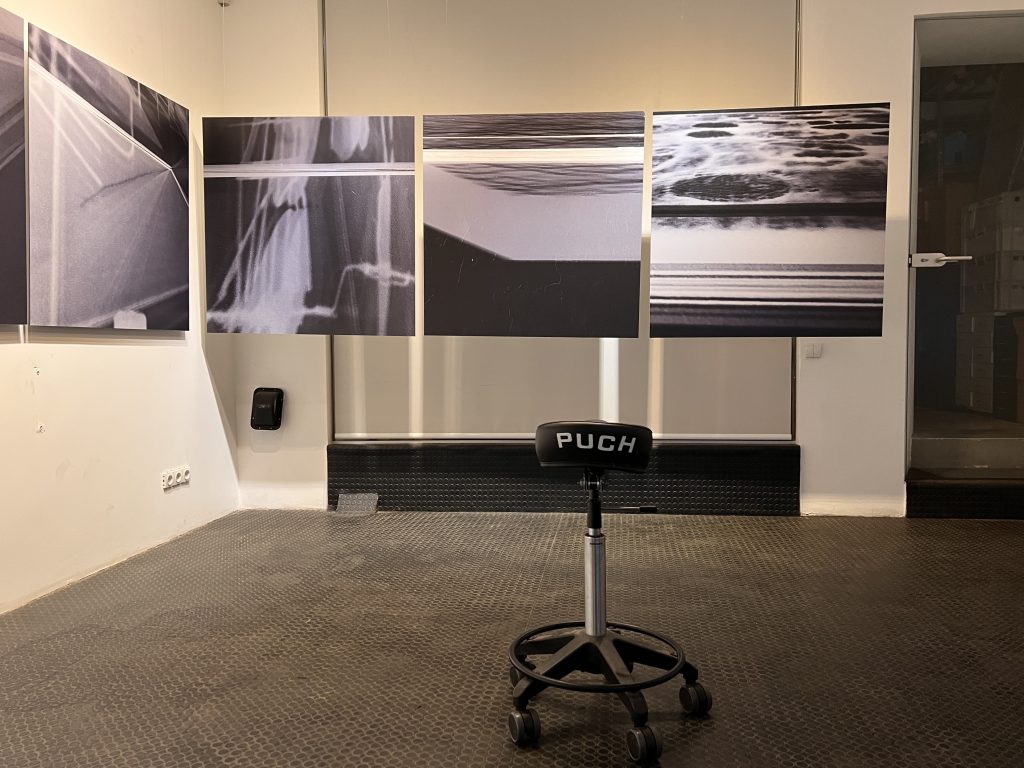
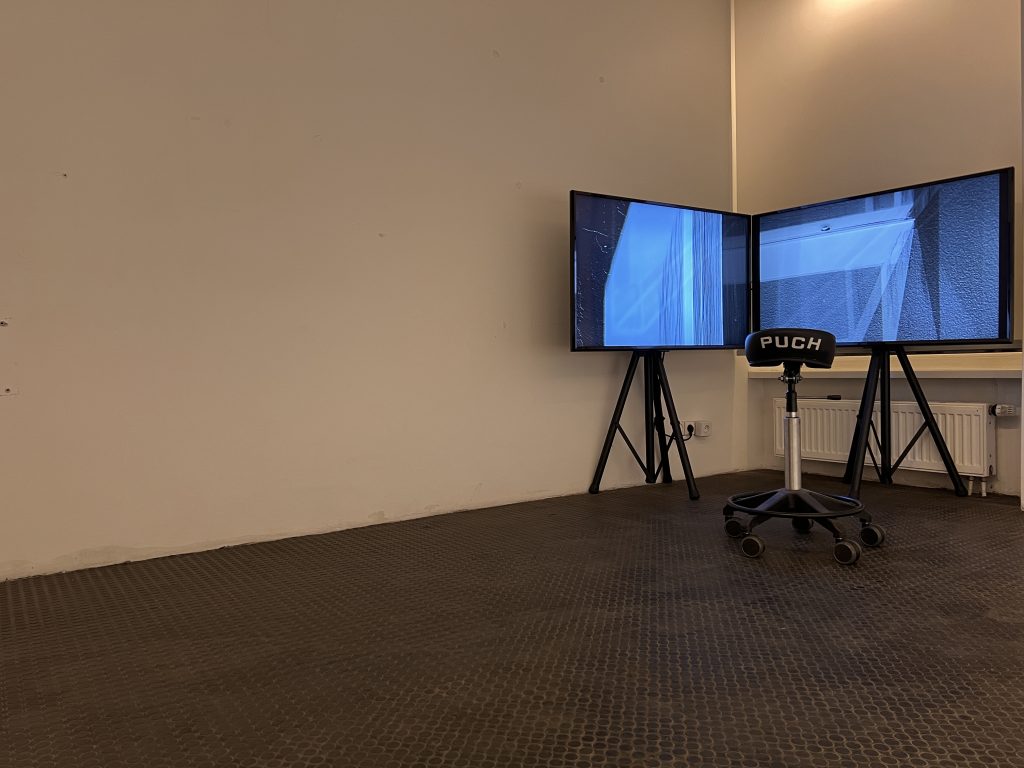
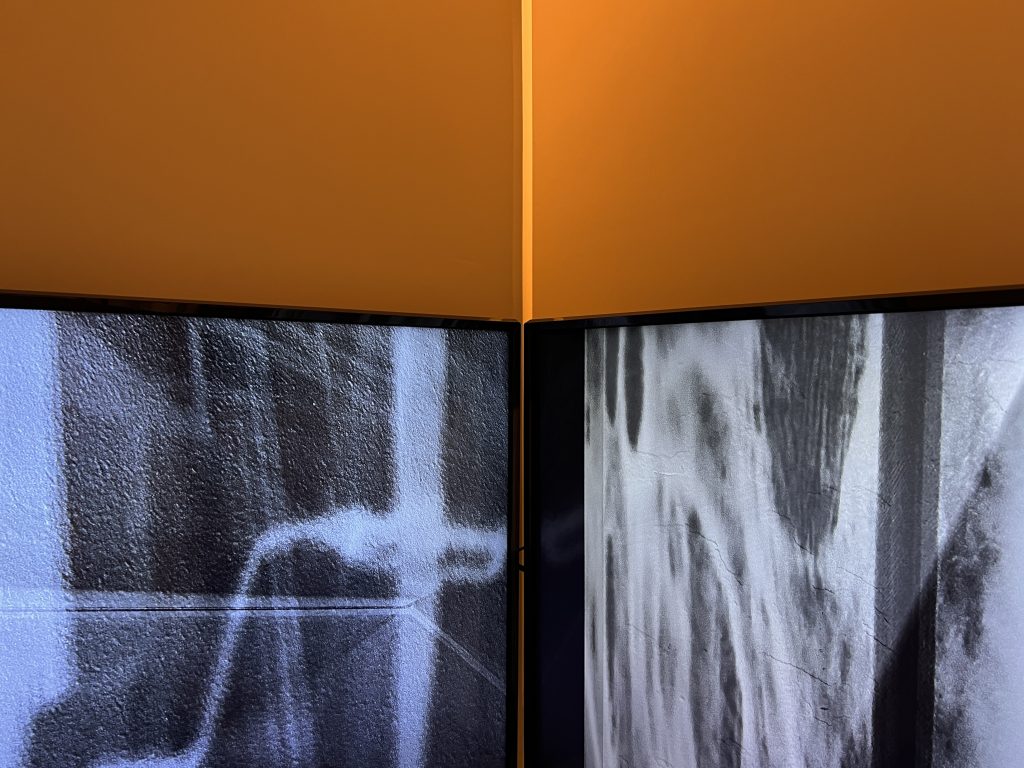
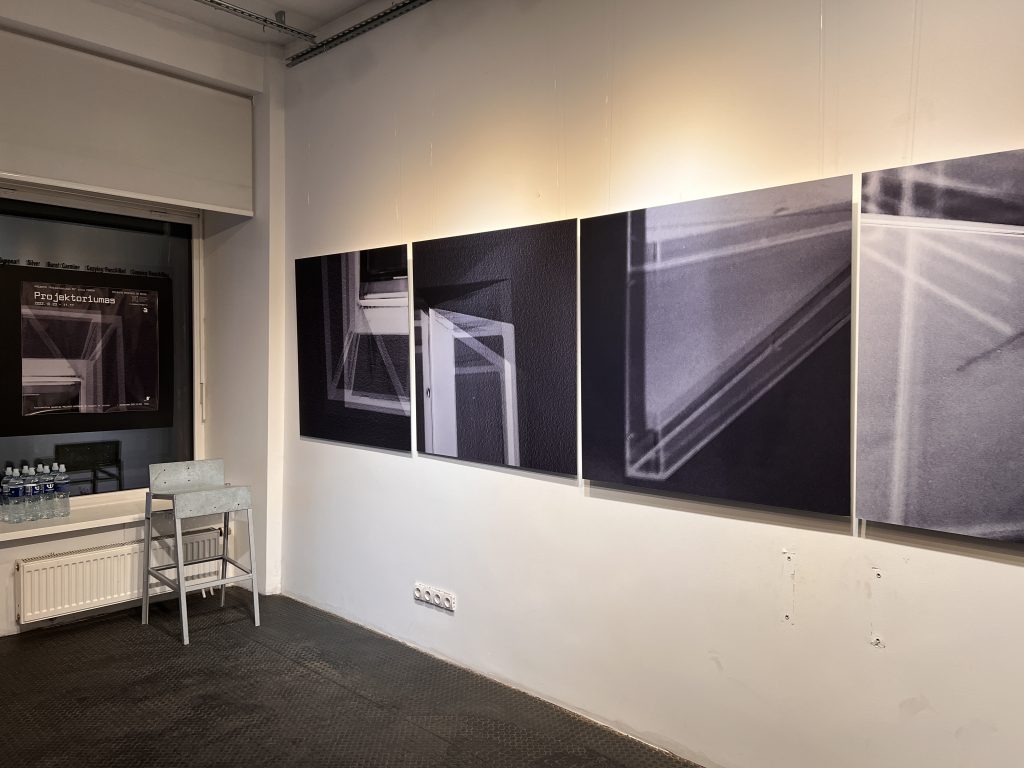
Architektūros galerojoje “Nulinis laipsnis” Vilniuje veikia parodos “Idealizmas: vienetai” Architekto Eugenijaus Miliūno (Simo) kūrybos parodos satelitas. Jos fotoreportažą pristatome.


Projektą remia ir pristato:
Projektą remia:

Deprecated: Creation of dynamic property WP_Term::$cat_ID is deprecated in /var/www/wordpress__2/wp-includes/category.php on line 378
Deprecated: Creation of dynamic property WP_Term::$category_count is deprecated in /var/www/wordpress__2/wp-includes/category.php on line 379
Deprecated: Creation of dynamic property WP_Term::$category_description is deprecated in /var/www/wordpress__2/wp-includes/category.php on line 380
Deprecated: Creation of dynamic property WP_Term::$cat_name is deprecated in /var/www/wordpress__2/wp-includes/category.php on line 381
Deprecated: Creation of dynamic property WP_Term::$category_nicename is deprecated in /var/www/wordpress__2/wp-includes/category.php on line 382
Deprecated: Creation of dynamic property WP_Term::$category_parent is deprecated in /var/www/wordpress__2/wp-includes/category.php on line 383
Deprecated: Creation of dynamic property WP_Term::$cat_ID is deprecated in /var/www/wordpress__2/wp-includes/category.php on line 378
Deprecated: Creation of dynamic property WP_Term::$category_count is deprecated in /var/www/wordpress__2/wp-includes/category.php on line 379
Deprecated: Creation of dynamic property WP_Term::$category_description is deprecated in /var/www/wordpress__2/wp-includes/category.php on line 380
Deprecated: Creation of dynamic property WP_Term::$cat_name is deprecated in /var/www/wordpress__2/wp-includes/category.php on line 381
Deprecated: Creation of dynamic property WP_Term::$category_nicename is deprecated in /var/www/wordpress__2/wp-includes/category.php on line 382
Deprecated: Creation of dynamic property WP_Term::$category_parent is deprecated in /var/www/wordpress__2/wp-includes/category.php on line 383
Deprecated: Creation of dynamic property WP_Term::$cat_ID is deprecated in /var/www/wordpress__2/wp-includes/category.php on line 378
Deprecated: Creation of dynamic property WP_Term::$category_count is deprecated in /var/www/wordpress__2/wp-includes/category.php on line 379
Deprecated: Creation of dynamic property WP_Term::$category_description is deprecated in /var/www/wordpress__2/wp-includes/category.php on line 380
Deprecated: Creation of dynamic property WP_Term::$cat_name is deprecated in /var/www/wordpress__2/wp-includes/category.php on line 381
Deprecated: Creation of dynamic property WP_Term::$category_nicename is deprecated in /var/www/wordpress__2/wp-includes/category.php on line 382
Deprecated: Creation of dynamic property WP_Term::$category_parent is deprecated in /var/www/wordpress__2/wp-includes/category.php on line 383
https://0-x.dudenas.lt/uncategorized/edukatoriumo-paskaita-ir-diskusija-viesieji-menai-miesto-erdvese-galimybes-ir-konfliktai/
Deprecated: str_replace(): Passing null to parameter #3 ($subject) of type array|string is deprecated in /var/www/wordpress__2/wp-includes/formatting.php on line 4199
]]>
Deprecated: Creation of dynamic property WP_Term::$cat_ID is deprecated in /var/www/wordpress__2/wp-includes/category.php on line 378
Deprecated: Creation of dynamic property WP_Term::$category_count is deprecated in /var/www/wordpress__2/wp-includes/category.php on line 379
Deprecated: Creation of dynamic property WP_Term::$category_description is deprecated in /var/www/wordpress__2/wp-includes/category.php on line 380
Deprecated: Creation of dynamic property WP_Term::$cat_name is deprecated in /var/www/wordpress__2/wp-includes/category.php on line 381
Deprecated: Creation of dynamic property WP_Term::$category_nicename is deprecated in /var/www/wordpress__2/wp-includes/category.php on line 382
Deprecated: Creation of dynamic property WP_Term::$category_parent is deprecated in /var/www/wordpress__2/wp-includes/category.php on line 383
Deprecated: Creation of dynamic property WP_Term::$cat_ID is deprecated in /var/www/wordpress__2/wp-includes/category.php on line 378
Deprecated: Creation of dynamic property WP_Term::$category_count is deprecated in /var/www/wordpress__2/wp-includes/category.php on line 379
Deprecated: Creation of dynamic property WP_Term::$category_description is deprecated in /var/www/wordpress__2/wp-includes/category.php on line 380
Deprecated: Creation of dynamic property WP_Term::$cat_name is deprecated in /var/www/wordpress__2/wp-includes/category.php on line 381
Deprecated: Creation of dynamic property WP_Term::$category_nicename is deprecated in /var/www/wordpress__2/wp-includes/category.php on line 382
Deprecated: Creation of dynamic property WP_Term::$category_parent is deprecated in /var/www/wordpress__2/wp-includes/category.php on line 383
Deprecated: Creation of dynamic property WP_Term::$cat_ID is deprecated in /var/www/wordpress__2/wp-includes/category.php on line 378
Deprecated: Creation of dynamic property WP_Term::$category_count is deprecated in /var/www/wordpress__2/wp-includes/category.php on line 379
Deprecated: Creation of dynamic property WP_Term::$category_description is deprecated in /var/www/wordpress__2/wp-includes/category.php on line 380
Deprecated: Creation of dynamic property WP_Term::$cat_name is deprecated in /var/www/wordpress__2/wp-includes/category.php on line 381
Deprecated: Creation of dynamic property WP_Term::$category_nicename is deprecated in /var/www/wordpress__2/wp-includes/category.php on line 382
Deprecated: Creation of dynamic property WP_Term::$category_parent is deprecated in /var/www/wordpress__2/wp-includes/category.php on line 383
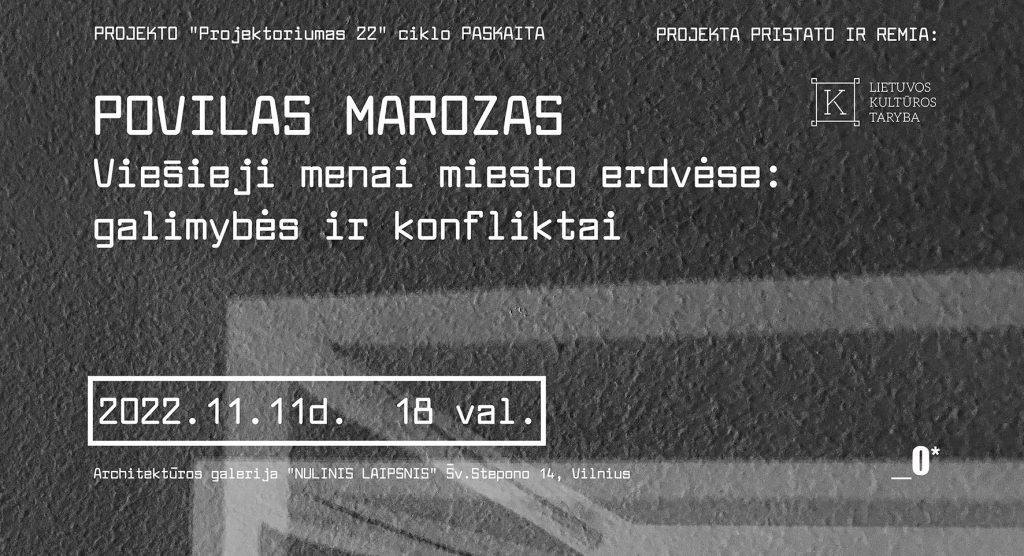
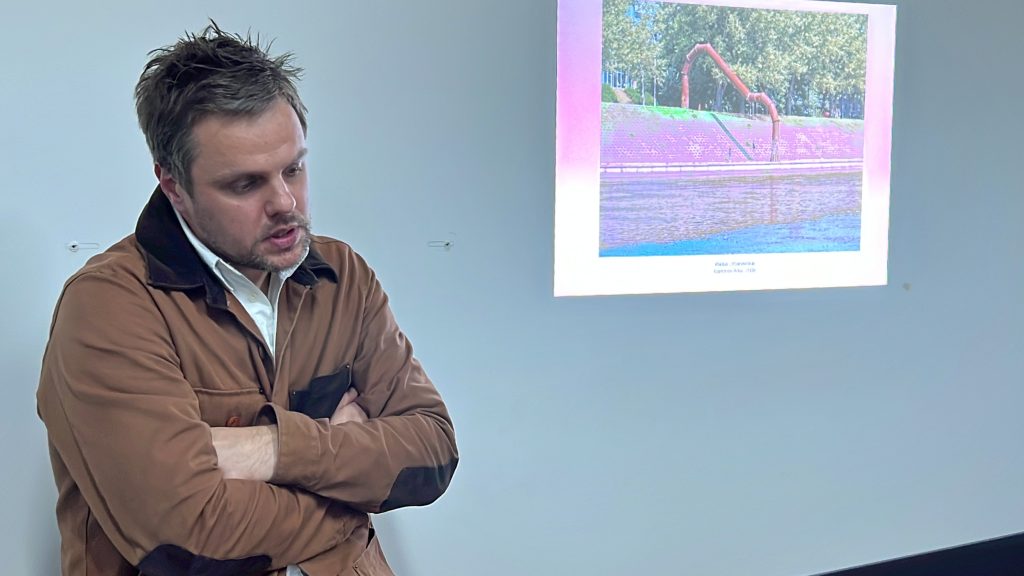
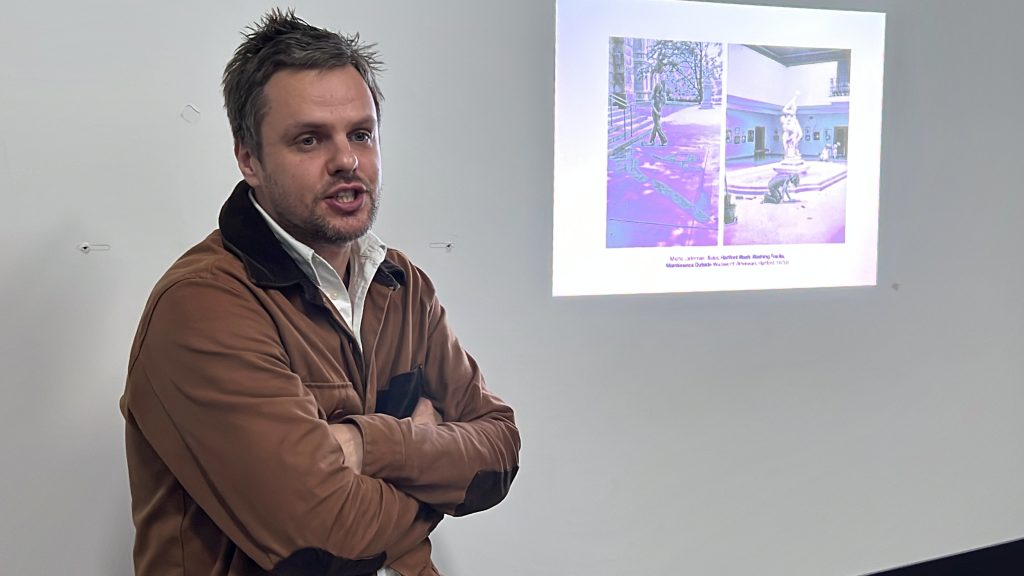
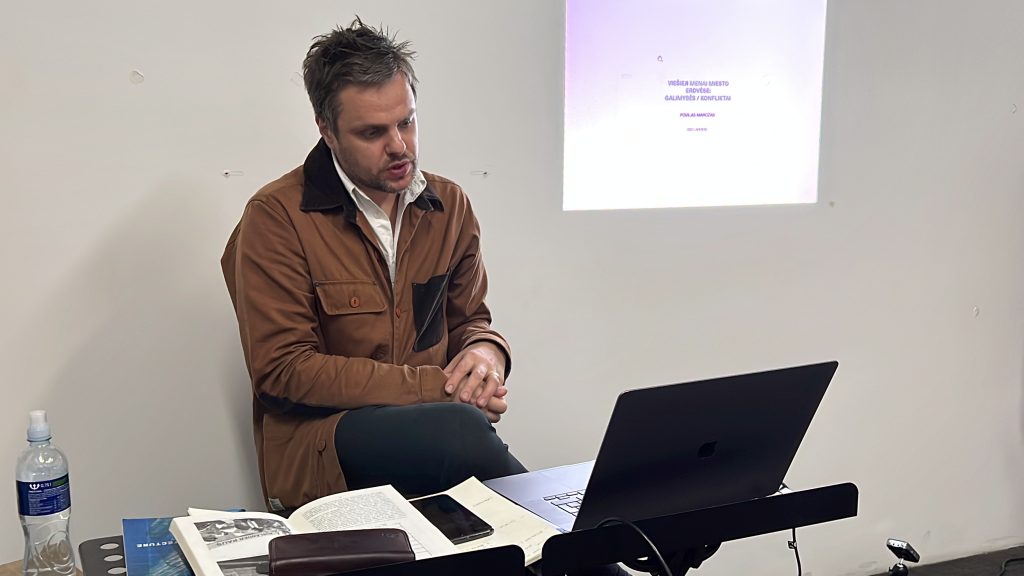
Projekte “Projektoriumas 22”, Edukatoriumo dalyje, Architektūros galerijoje “Nulinis laipsnis” įvyko paskaitų ciklas apie erdvės fenomenus architektūroje, kurių pirmoji buvo architekto Povilo Marozo “Viešieji menai miesto erdvėse: galimybės ir konfliktai”. Joje architektas dalinosi teorinėmis ir praktinėmis įžvalgomis, keldamas kritinius klausimus apie miesto viešosioms erdvėms kuriamą šiuolaikinį meną bei jo alternatyvas. Po paskaitos vyko diskusija. Dalinamės paskaitos video įrašu:

Projektą pristato ir remia:
Projektą remia:
Deprecated: Creation of dynamic property WP_Term::$cat_ID is deprecated in /var/www/wordpress__2/wp-includes/category.php on line 378
Deprecated: Creation of dynamic property WP_Term::$category_count is deprecated in /var/www/wordpress__2/wp-includes/category.php on line 379
Deprecated: Creation of dynamic property WP_Term::$category_description is deprecated in /var/www/wordpress__2/wp-includes/category.php on line 380
Deprecated: Creation of dynamic property WP_Term::$cat_name is deprecated in /var/www/wordpress__2/wp-includes/category.php on line 381
Deprecated: Creation of dynamic property WP_Term::$category_nicename is deprecated in /var/www/wordpress__2/wp-includes/category.php on line 382
Deprecated: Creation of dynamic property WP_Term::$category_parent is deprecated in /var/www/wordpress__2/wp-includes/category.php on line 383
Deprecated: Creation of dynamic property WP_Term::$cat_ID is deprecated in /var/www/wordpress__2/wp-includes/category.php on line 378
Deprecated: Creation of dynamic property WP_Term::$category_count is deprecated in /var/www/wordpress__2/wp-includes/category.php on line 379
Deprecated: Creation of dynamic property WP_Term::$category_description is deprecated in /var/www/wordpress__2/wp-includes/category.php on line 380
Deprecated: Creation of dynamic property WP_Term::$cat_name is deprecated in /var/www/wordpress__2/wp-includes/category.php on line 381
Deprecated: Creation of dynamic property WP_Term::$category_nicename is deprecated in /var/www/wordpress__2/wp-includes/category.php on line 382
Deprecated: Creation of dynamic property WP_Term::$category_parent is deprecated in /var/www/wordpress__2/wp-includes/category.php on line 383
https://0-x.dudenas.lt/uncategorized-en/idealism-the-ones-exhibition-of-the-work-by-architect-eugenijus-miliunas-simas/
Deprecated: str_replace(): Passing null to parameter #3 ($subject) of type array|string is deprecated in /var/www/wordpress__2/wp-includes/formatting.php on line 4199
]]>
Deprecated: Creation of dynamic property WP_Term::$cat_ID is deprecated in /var/www/wordpress__2/wp-includes/category.php on line 378
Deprecated: Creation of dynamic property WP_Term::$category_count is deprecated in /var/www/wordpress__2/wp-includes/category.php on line 379
Deprecated: Creation of dynamic property WP_Term::$category_description is deprecated in /var/www/wordpress__2/wp-includes/category.php on line 380
Deprecated: Creation of dynamic property WP_Term::$cat_name is deprecated in /var/www/wordpress__2/wp-includes/category.php on line 381
Deprecated: Creation of dynamic property WP_Term::$category_nicename is deprecated in /var/www/wordpress__2/wp-includes/category.php on line 382
Deprecated: Creation of dynamic property WP_Term::$category_parent is deprecated in /var/www/wordpress__2/wp-includes/category.php on line 383
Deprecated: Creation of dynamic property WP_Term::$cat_ID is deprecated in /var/www/wordpress__2/wp-includes/category.php on line 378
Deprecated: Creation of dynamic property WP_Term::$category_count is deprecated in /var/www/wordpress__2/wp-includes/category.php on line 379
Deprecated: Creation of dynamic property WP_Term::$category_description is deprecated in /var/www/wordpress__2/wp-includes/category.php on line 380
Deprecated: Creation of dynamic property WP_Term::$cat_name is deprecated in /var/www/wordpress__2/wp-includes/category.php on line 381
Deprecated: Creation of dynamic property WP_Term::$category_nicename is deprecated in /var/www/wordpress__2/wp-includes/category.php on line 382
Deprecated: Creation of dynamic property WP_Term::$category_parent is deprecated in /var/www/wordpress__2/wp-includes/category.php on line 383
We would like to express our gratitude to a large group of people and sponsors, who in one or another way contributed to implementation of the project and exhibition. For safekeeping the artefacts/ exhibits as presented in this exhibition, we feel sincerely tankful to Paulius Naruševičius, who has kindly agreed to lend us the remaining part of Miliūnas’ Archive and renewed the models of Kaunas Žalgiris Arena designs making them presentable for our exhibition. Without this person’s good-willed contribution, we wouldn’t be able to obtain even this small amount of the material. Architect, publisher and active architecture critic Audrys Karalius also has made his remarkable contribution while implementing the exhibition and entire project, acting as its co-curator and giving us a hand in collecting and systematising the material of the extant archive; besides, he has contributed a lot to the development of the exhibition concept. We would like to give our special thanks to Miliūnas Architects’ Studio and Ms Dalia Miliūnienė, whose involvement and benevolence have preconditioned the preservation of the part of Miliūnas’ archive, which now is presented for the audience. We express our gratitude to photographer Gintautas Trimakas, whose help and excellent photographic prints have allowed us to implement the visual design of the exhibition. Besides, our sincere thanks goes to the project sponsors – the Council for Culture of Lithuania, and private companies Materialus, UAB, Energy Green, UAB, and AEXN, UAB.
Concept of the Exhibition
Architect Eugenijus Miliūnas (Simas) is one of the outstanding architects and artists in the Lithuanian architecture of the second half of the 20th and the beginning of the 21st century, as well as in the history of contemporary architecture in general. Although his role still needs to be disclosed in full, Miliūnas’ influence on professional field of architecture, as well as broader social context has been tremendous. The small scale of the exhibition fails to reflect in full the national significance of this personality; it has been determined by a few essential factors. On the one hand, the exhibition has not been planned solely as a retrospective project aimed at summarizing the completed professional phase or a life stage, but has rather become a sincere attempt to remind the audience about terminally ill architect-artist Simas by showing the little-known or even unknown part of his work at a different angle, even if the material is related to the well-known architectural objects. Therefore, the exhibition is based on the found artefacts and original material of the primary sources preserved by Mr Paulius Naruševičius, the fellow-artist and colleague of Eugenijus Miliūnas. On the other hand, the scale of the exhibition has been determined by the amount and quality of the material that has been found, because, as it has emerged while implementing the project, almost the entire archive of Miliūnas’ work has been irreversibly lost, including his sketches, models and other original materials. This fact has substantially complicated the formation of the exhibition content. Thus, in short, by this exhibition we aim to remind of Simas as a great architect and artist, and humbly admit that the exhibition spaces in Kaunas and Vilnius are really too small for him, but exactly this small amount of material that we can see in the exhibition reveals the real situation of what and how much of the original material by Simas is still available today… We hope that the National Institute of Architecture that still is in the process of formation in the former central post-office building in Kaunas will get interested in the material of this exhibition and other materials collected during this project, and ensure its safe-keeping in its archives for future generations.
The ideological concept of the exhibition has been coded in its very name “Idealism: the Ones” generated by architect Audrys Karalius. Although the idea has been interpreted differently by the exhibition co-curators, its foundational concept has remained the same. The concept of idealism can be interpreted quite differently in the project and exhibition:
- as a declining (or almost extinct) feature in contemporary architecture, which often determines an essential difference between worth and value in architectural practice (it seems, it is quite hard to distinguish these two qualities for contemporary architects, although they dispute actively on the quality issues of architecture), encourages architects’ aspirations for orientation towards the bigger general good (professional social engagement, architects’ responsibility to society for a long-term effect of their actions) and, at the same time, the attempts for closer connections between the field of architecture and other cultural environment (still badly lacking). These qualities are undoubtedly found in the works of Eugenijus Miliūnas (Simas), which, first of all, reveal his aspiration to express and embody values rather than worth, create architecture without restricting himself to solutions of tasks on the trade level, but rather architecture covering and solving urban, architectural and even social issues, seeking for maximum environmental integrity, regardless of the situation. Often such aspirations are implemented by providing a piece of architecture with different cultural codes and connotations, based not only on the image parallels with architectural works of the civilization significance, but also on foundational experiences of the collective conscience, indirectly perceived by society and applied by an architect in his/her architectural work in the primary – philosophical – stage of its creation. Almost every work by Simas shows the signs of its long-term architectural impact and responsibility for future generations, avoidance of fashionable bravado short-term beauty, but rather aims at a creative result based on fundamental space-formation laws and universal durable structure.
- Idea as a creative purpose or artistic principle, for which an architect is ready to go “an extra mile” while purifying and contemplating it, until he/ she reaches the highest level of the architectural work. Such omission of primitive boundaries and mental resources of the task for the sake of Architecture is exactly that kind of idealism, which we miss so often in contemporary architectural practice. It is the professional malaise that most often determines the multilayer and affective, as well as mostly high-quality result of the creative pains. Such idealism is present in almost all architectural works by Miliūnas and is experienced by a viewer in spaces of different scale while perceiving his architectural works. In the aspect of vistal (using Daniel R. Montello’s term) and environmental scale, idealism is manifested by strong emotional impact on a person experiencing his works from the outside – in the environment, where different vista of the building surprises anew, draws attention to different relations and environmental nuances, and affects a viewer visually and emotionally. In other words, the artistic expression of solid architectural idea turns into an architectural charisma, to which no viewer can remain indifferent. In the aspect of tactile and figurative spatial scale, the quality and artistic intensity of architectural details, as the author is not content with a typical, catalogue and multiply repeated solution, but rather seeks for unique architectural details characteristic for that particular work and that particular place, make an impression of exclusivity and highest possible artistic value for a person directly interacting with Simas’ architectural works.
Such ideal origin of architecture can be noticed in every architectural work of the exhibition. The materialisation of such ideal origin no longer depends on the architect, but rather on the circumstances and pragmatic reality, and, as shown by Miliūnas’ work, seeking and maintaining is the main duty of every architect-creator, regardless of whether his/ her work is realized, or remains in the stage of idea. The works of Eugenijus Miliūnas (Simas) reveal the fundamental value axis and orientation of architecture, and encourage to create rather than make architecture.
Content of the Exhibition
Three main themes – or thematic sections – may be distinguished in the exhibition.
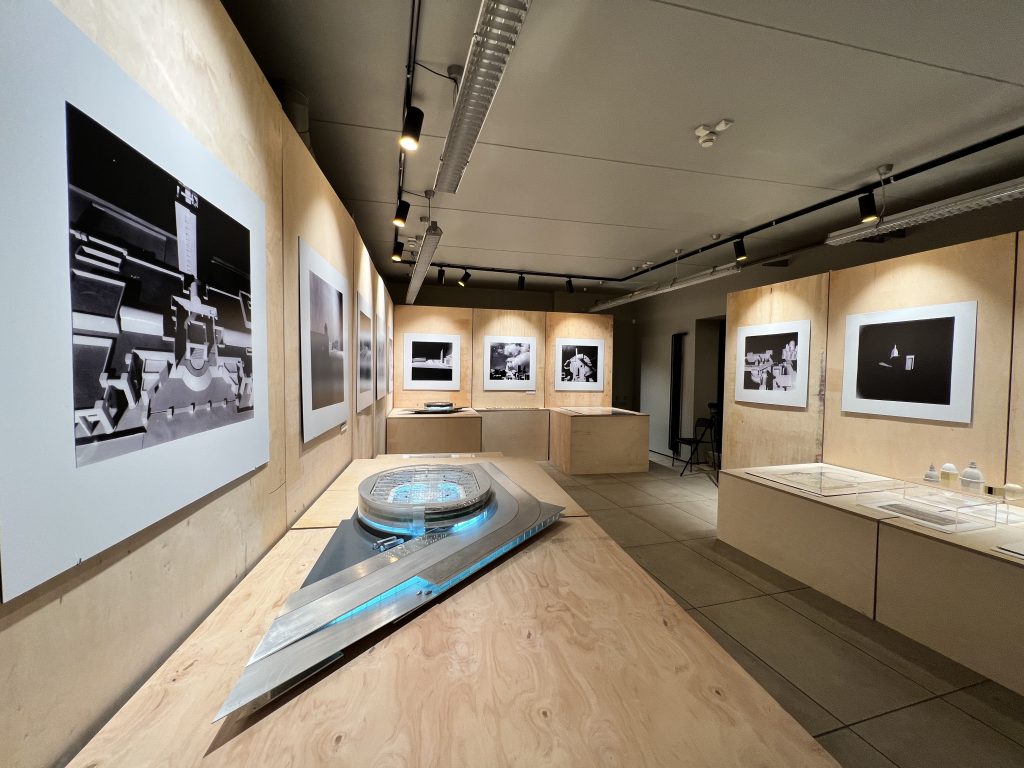
The first one is the projection of materialised Miliūnas’ creative work and ideas based on the original artefacts. The exhibition presents artefacts, photo negatives, sketches, drawings and photomontages of different analyses, made through collective creative process and disclosing the richness and intensity of it. These are the working material of the architectural “kitchen”. The majority of the negatives and photographs as presented at the exhibition were made by Algimantas Kaunietis; the author of the exhibition prints is photographer Gintautas Trimakas; some of the photographs were made by Laimutis Brundza.
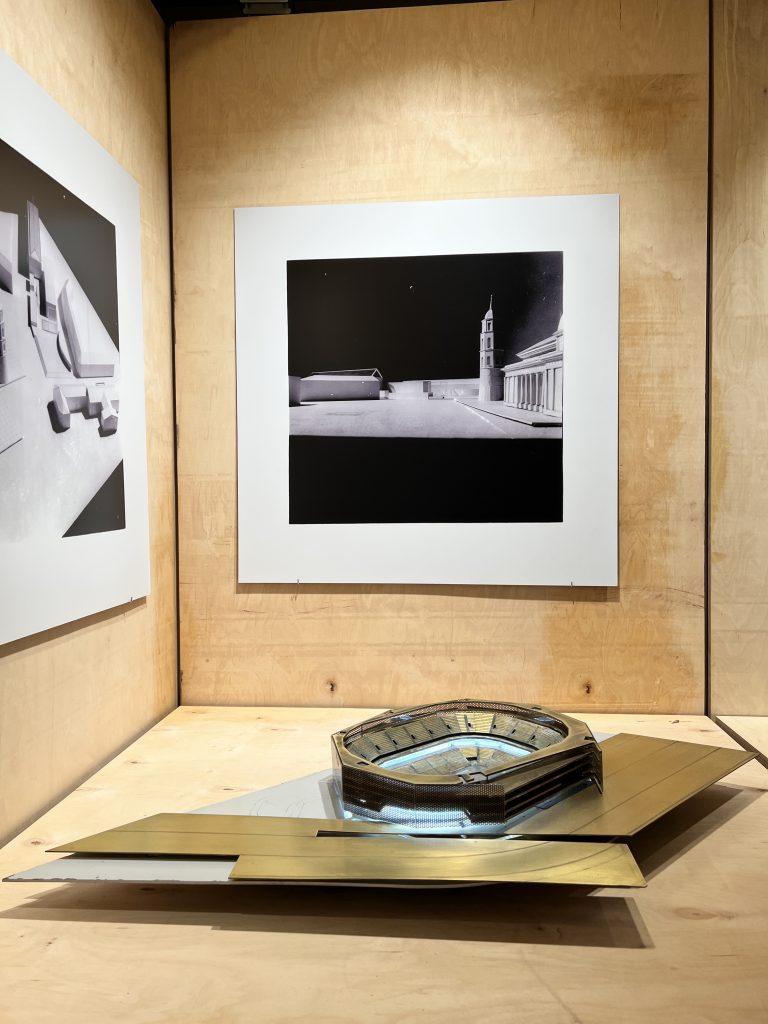
The second thematic section of the exhibition may be referred to as the ideas and realisations in the places of special importance for Lithuanian culture. It is an attempt to show Eugenijus Miliūnas’ creative work in crucial urban spaces with the aim to reveal the application of universal (classical) principles of architectural ideality, which, without doubt, are present in his work. The ideas of the competition design for the National Art Gallery in Vilnius, Cathedral Square, and architectural objects of Žalgiris Arena in Kaunas are shown in the exhibition. In both works, the application of classical fundamental architectural principles is obvious, although in different way. The informal plan and space-volume composition of the Ancient Agora of Athens can be noticed in the space formation of the National Art Gallery, solving at the same time the tasks of boundary setting for the Cathedral Square. In the case of Žalgiris Arena in Kaunas, the same – universal – form and function organization principles are quite recognizable in the formation of the object’s space-volume composition and scale, as were applied in the Colosseum of Rome and other similar objects, but they have been interpreted in especially modern and contemporary way. Besides, the integration of the object into the urban and natural contexts is well-done and in compliance with the classical principles of urban development.
One more group of exhibits strengthening this thematic section is the architectural works of Žilinskas Art Gallery and the Dome of Šilainiai Church, in which one can easily discern the parallels of Acropolis spatial structure and Dome of the Florence Cathedral. These architectural pieces represent an obvious ideological linkup with foundational architectural objects of European civilization.
Finally, the third thematic section of the exhibition can be named grand ideas and losses. To disclose this subject, the exhibition presents the material of the 1983 competition design of La Defence in Paris, by juxtaposing it to the design material of the shopping mall Kalniečiai in Kaunas. Both designs are utopian by their essence. Maybe, this is the reason why the first has remained as a beautiful idea and the other currently is undergoing a rough deconstruction due to the society’s inability (or rather – incapability) to adapt the work to the social-economic needs of the present time. The classical idea of axial composition development is recognizable in both works, although realised at a different scale. Such juxtaposition has been applied in the exhibition not accidentally, but rather prompts a viewer to a conscious reflection of the following: the grand ideas developed by the Master were not restricted by cultural and physical geography, but have remained relevant even in different contexts; the mater and works are temporary, and their importance and value depend on the culture and professionalism of society; and idealism in its versatile forms has been gradually waning from the collective conscious of our Lithuanian world of architecture. Here, we must admit that the destruction of high quality architecture has become a daily norm as architectural mankurts of our time have lost the ability to distinguish value from worth, defying the concepts of architectural conscience and architectural “hearing”, which are being rejected as “idealistic”, as well as putting to death cultured and deeply emotionally experienced architecture for money. Unfortunately, instead of such true architecture, they can offer only a provincial commercial sanctuary, non-integral environment, ideological and cultural chaos of the place, or literally nothing, that could at least by an eyelash compare by quality to the condemned piece of architecture.
Summary
This project reminds a bit of social ethnography, when the entire puzzle is made from trifles and artefacts or even their fragments scattered around and then the separate elements can be related into a single narrative. The project has been and still is difficult, never-ending and develops, it seems, expanding itself. Probably, it shouldn’t surprise, when you are trying to understand such personality as that of Eugenijus Miliūnas. By implementing this project, we have just broken the ice with the entire river flowing underneath.
Miliūnas is a magnificent figure in the field of Lithuanian architecture, who has sown a grain of art and thought of architecture in the many of us. This exhibition is our attempt to express our deepest respect to this Master, Architect and Teacher, by remembering him and his work.
Post Scriptum
To my fellow architects: we all have a limited amount of time here and our works sometimes seem insignificant to us, even if made with great sincerity. But my advice – before throwing away your sketch, design or model, first think – maybe although it seems like a piece of worthless trash to you, it may seem valuable to someone and he/ she will be able to learn from it or even implement the idea. Therefore, never “throw your pearls before swine”, but rather keep your archives and give them over to the National Institute of Architecture, when you are able to do it. We are responsible for our heritage to ourselves and culture of our country. I humbly ask you never forget it.
Exhibition and Project Curator, Architect Dr. Tomas Grunskis
Exhibition open till 30th of January 2023.



Project was presented and supported by :

Deprecated: Creation of dynamic property WP_Term::$cat_ID is deprecated in /var/www/wordpress__2/wp-includes/category.php on line 378
Deprecated: Creation of dynamic property WP_Term::$category_count is deprecated in /var/www/wordpress__2/wp-includes/category.php on line 379
Deprecated: Creation of dynamic property WP_Term::$category_description is deprecated in /var/www/wordpress__2/wp-includes/category.php on line 380
Deprecated: Creation of dynamic property WP_Term::$cat_name is deprecated in /var/www/wordpress__2/wp-includes/category.php on line 381
Deprecated: Creation of dynamic property WP_Term::$category_nicename is deprecated in /var/www/wordpress__2/wp-includes/category.php on line 382
Deprecated: Creation of dynamic property WP_Term::$category_parent is deprecated in /var/www/wordpress__2/wp-includes/category.php on line 383
Deprecated: Creation of dynamic property WP_Term::$cat_ID is deprecated in /var/www/wordpress__2/wp-includes/category.php on line 378
Deprecated: Creation of dynamic property WP_Term::$category_count is deprecated in /var/www/wordpress__2/wp-includes/category.php on line 379
Deprecated: Creation of dynamic property WP_Term::$category_description is deprecated in /var/www/wordpress__2/wp-includes/category.php on line 380
Deprecated: Creation of dynamic property WP_Term::$cat_name is deprecated in /var/www/wordpress__2/wp-includes/category.php on line 381
Deprecated: Creation of dynamic property WP_Term::$category_nicename is deprecated in /var/www/wordpress__2/wp-includes/category.php on line 382
Deprecated: Creation of dynamic property WP_Term::$category_parent is deprecated in /var/www/wordpress__2/wp-includes/category.php on line 383
https://0-x.dudenas.lt/uncategorized/idealizmas-vienatai-architekto-eugenijaus-miliuno-simo-kuryba/
Deprecated: str_replace(): Passing null to parameter #3 ($subject) of type array|string is deprecated in /var/www/wordpress__2/wp-includes/formatting.php on line 4199
]]>
Deprecated: Creation of dynamic property WP_Term::$cat_ID is deprecated in /var/www/wordpress__2/wp-includes/category.php on line 378
Deprecated: Creation of dynamic property WP_Term::$category_count is deprecated in /var/www/wordpress__2/wp-includes/category.php on line 379
Deprecated: Creation of dynamic property WP_Term::$category_description is deprecated in /var/www/wordpress__2/wp-includes/category.php on line 380
Deprecated: Creation of dynamic property WP_Term::$cat_name is deprecated in /var/www/wordpress__2/wp-includes/category.php on line 381
Deprecated: Creation of dynamic property WP_Term::$category_nicename is deprecated in /var/www/wordpress__2/wp-includes/category.php on line 382
Deprecated: Creation of dynamic property WP_Term::$category_parent is deprecated in /var/www/wordpress__2/wp-includes/category.php on line 383
Deprecated: Creation of dynamic property WP_Term::$cat_ID is deprecated in /var/www/wordpress__2/wp-includes/category.php on line 378
Deprecated: Creation of dynamic property WP_Term::$category_count is deprecated in /var/www/wordpress__2/wp-includes/category.php on line 379
Deprecated: Creation of dynamic property WP_Term::$category_description is deprecated in /var/www/wordpress__2/wp-includes/category.php on line 380
Deprecated: Creation of dynamic property WP_Term::$cat_name is deprecated in /var/www/wordpress__2/wp-includes/category.php on line 381
Deprecated: Creation of dynamic property WP_Term::$category_nicename is deprecated in /var/www/wordpress__2/wp-includes/category.php on line 382
Deprecated: Creation of dynamic property WP_Term::$category_parent is deprecated in /var/www/wordpress__2/wp-includes/category.php on line 383

Padėkos.
Prie parodos ir projekto įgyvendinimo prisidėjo didelis būrys žmonių ir remėjų, kuriems reiškiame nuoširdžią padėką. Už Eugenijaus Miliūno kūrybos artefaktų – eksponatų išsaugojimą, nuoširdžiai dėkojame Pauliui Naruševičiui, kuris maloniai paskolino jau išnykusio Miliūno archyvo likučius ir kuris atrestauravo ekspozicijoje rodomus Kauno Žalgirio arenos projekto maketus. Be šio žmogaus geranoriško indėlio net to mažo kiekio medžiagos neturėtume. Parodos ir projekto realizavimui didelę įtaką padarė architektas, leidėjas ir aktyvus architektūros lauko kritikas Audrys Karalius, atlikęs ko-kuratoriaus vaidmenį, padėjęs renkant ir sisteminant likusio archyvo medžiagą ir taip pat ženkliai prisidėjęs prie parodos koncepcijos.
Atskirą padėką norime pareikšti Miliūno architektūros studijai ir Daliai Miliūnienei, kurių dalyvavimas ir geranoriškumas lėmė, kad dalis Miliūno archyvo medžiagos buvo išsaugota ir rodoma ekspozicijoje. Reiškiame padėką fotografui Gintautui Trimakui, kurio pagalba ir fotografijų spauda leido realizuoti vizualinį parodos sumanymą. Taip pat nuoširdus ačiū projekto remėjams – Lietuvos Kultūros tarybai, UAB „Materialus“, UAB „Energy green“ ir uab „AEXN architektai“.
Parodos koncepcija.
Architektas Eugenijus Miliūnas (Simas) yra vienas reikšmingiausių architektų – menininkų Lietuvos XXa. pab. – XXIa. per. ir šiuolaikinės architektūros istorijoje, kurio vaidmuo dar nėra tinkamai atskleistas ir kurio įtaka ne tik profesiniam architektūros laukui, bet platesniam socialiniams kontekstui yra milžiniška. Sumanytos parodos mastelis ir apimtis niekaip neatspindi šios asmenybės nacionalinės reikšmės ir buvo nulemti kelių esminių veiksnių. Viena vertus, paroda nebuvo planuojama kaip vien retrospektyvinis projektas, kuriuo būtų įmanoma apibendrinti užbaigtą profesinį etapą ar gyvenimo tarpsnį, veikiau tai yra nuoširdi pastanga priminti apie dar gyvą, bet sergantį Simą, parodyti mažai žinomą ir nerodytą jo darbų medžiagą kiek kitu kampu, net jei ji yra susijusi su jau gerai atpažįstamais architektūriniais objektais. Todėl paroda yra paremta surastais artefaktais ir originalia pirminių šaltinių medžiaga, kurią išsaugojo Eugenijaus Miliūno bendražygis ir bendradarbis Paulius Naruševičius. Kita vertus, parodos mastelis ir apimtis buvo nulemta surastos medžiagos kiekiu ir kokybe, nes, kaip paaiškėjo projekto vykdymo metu, beveik visas Miliūno darbų artefaktų archyvas su eskizais, maketais ir kita originalia medžiaga buvo negrįžtamai prarastas, kas taip pat sąlygojo, kad jos paieškų laukas turėjo būti plečiamas, o parodos turinio formavimas komplikavosi. Taigi, šia paroda primename, kad Simas yra didis architektas menininkas ir kukliai pripažįstame, kad parodos erdvės Kaune ir Vilniuje yra gerokai per mažos jam, tačiau būtent tai, ką matome ir parodo realią padėtį, kiek ir kokios pirminės Simo kūrybos medžiagos šiandien dar turime…. Labai tikimės, kad įsikūrus NAi (Nacionaliniam Architektūros institutui) Buvusiame centrinio pašto pastate Kaune, visa parodoje rodoma ir kita projekto metu surinkta medžiaga pateks į jo archyvus ir bus atitinkamai išsaugota ateičiai
Parodos idėjinė ašis yra užkoduota jos pavadinime „Idealizmas: vienetai“ , kurio autorius yra architektas Audrys Karalius. Ją išaiškinti galima skirtingai ir ką projekte paaiškina pats idėjos autorius. Ši idėja jos ko-kuratorių buvo interpretuojama nevienodai, tačiau pamatinė jos samprata išliko tokia pati. Idealizmo sąvoką projekte ir parodoje galime interpretuoti skirtingai:
(A) kaip savybę, kuri šių dienų architektūros lauke yra nykstanti (jei ne beveik išnykusi), neretai lemiančią esminį skirtumą tarp vertės ir vertybės architektūrinėje praktikoje (ką atrodo, kad vis sunkiau atskiria architektai, nors ir diskutuoja architektūros kokybės klausimais), įtakojančią architektūrinio lauko siekius orientuotis didesnio ir bendrojo gėrio kryptimi (profesinį pilietiškumą ir kūrėjų atsakomybę visuomenei už savo veiksmų ilgalaikį poveikį) ir tuo pat metu skatinančią pastangas tampriau susieti architektūros lauką su likusia kultūrine aplinka, (ko vis dar labai trūksta). Visos šios savybės yra labai aiškiai matomos Eugenijaus Miliūno (Simo) darbuose, kur visų pirma matome siekį išreikšti ir įkūnyti vertybes, ne vertę, kurti architektūrą, kuri neapsiriboja amato lygio užduočių sprendimais, bet apima ir sprendžia kur kas didesnį urbanistinių, architektūrinių ir net socialinių problemų kiekį, siekiant maksimalaus integralumo į aplinką, kad ir kokioje situacijoje būtų kuriama. Toks siekis labai dažnai realizuojamas architektūros kūriniui suteikiant skirtingų kultūrinių kodų ir konotacijų, kurios yra paremtos ne tik įvaizdžių paralelėmis su civilizacinės reikšmės architektūros kūriniais, bet ir pamatine kolektyvinės sąmonės patirtimi, kurios tekstą netiesiogiai suvokia visuomenė ir kuris įspaudžiamas architekto į architektūros kūrinį pirminiame dar pirminiame filosofiniame jo sukūrimo etape. Beveik visuose Simo darbuose juntama ilgalaikio architektūros poveikio ir atsakomybės prieš ateitį požymių, kuomet vengiama madingo trumpalaikiai bravūriško grožio, o siekiama fundamentaliais architektūros erdvėkūros dėsniais ir universalia ilgaamže sąranga grįsto kūrinio rezultato.
Ir (B), Idėjos kaip meninės dingsties ar meninio prado pamatą, dėl kurios architektas nueina ne vieną „papildomą mylią“, grynindamas ir reflektuodamas ją tol, kol pasiekiamas aukščiausios kokybės architektūros kūrinys. Toks primityvių užduoties ribų ir mentalinių resursų nepaisymas vardan Architektūros ir yra ta Idealizmo pusė, kurios šiandien vis dažniau pasigendame architektūros praktikoje. Tai – profesinė nerimastis, labai dažnai lemianti, kad kūrybinės kančios rezultatas būna daugiasluoksnis ir įtaigus, ir dažniausiai kokybiškas. Tokio idealumo yra ko ne visoje Miliūno architektūroje ir kuris patiriamas žiūrovo skirtingo mastelio erdvėse suvokiant jo architektūros kūrinius. Vistalinės (kalbant Daniel R. Montello terminais) ir aplinkos erdvės požiūriu idealumas pasireiškia stipriu emociniu poveikiu jo kūrinius patiriančiam žmogui iš išorės – aplinkoje, kuomet skirtinga pastato perspektyva vis naujai nustebina, sutelkia dėmesį į skirtingus santykius bei aplinkos niuansus ir veikią žiūrovo vizualiai bei emociškai – vientisos architektūrinės idėjos meninė raiška virsta architektūrine charizma, kuriai žiūrovas dažniausiai nelieka abejingas. Taktilinės ir Figūrinės erdvės mastelio požiūriu, architektūrinių detalių kokybė ir meninis intensyvumas, kuomet nepasitenkinama tipišku, kataloginiu ir jau daug kartų pakartotu sprendimu, bet kiekvienu atveju siekiama unikalios ir tik tam kūriniu ir tai vietai būdingos architektūrinės detalės, sukuria išskirtinumo ir aukščiausios meninio vertingumo pojūtį žmogui liečiantis ir sąveikaujant su Simo architektūra tiesiogiai.
Visuose parodoje rodomuose kūriniuose yra aiškiai matomas šis idealusis architektūros pradas, kurio materializacija jau nebepriklauso nuo architekto, bet veikiau nuo alinkybių ir pragmatiškos tikrovės, ir kurio siekti ir nepalikti , kaip rodo Miliūno kūryba, yra pamatinė kūrėjo architekto pareiga , nežiūrint į tai, ar ji realizuosis, ar liks tik idėja. Eugenijaus Miliūno (Simo) darbai parodo fundamentalią architektūros vertybinę ašį ir orientaciją bei skatina architektūrą kurti, ne daryti…
Parodos turinys.
Parodos turinys formuoja tris pagrindines temas – teminius pjūvius.
1-sis – originaliais artefaktais paremta kūrybos ir idėjų materializacijos projekcija. Parodoje rodomi darbiniai, kolektyvinio kūrybinio proceso artefaktai, į katalogus nepatekę, nebaigtos statybos foto negatyvai, eskizai piešiniai ir analizės foto montažai, kuriuos atliko nebūtinai Eugenijus Miliūnas, tačiau, kurie rodo įdomų ir turiningą kolektyvinės architektūrinės kūrybos eigą. Tai – darbinė architektūrinės virtuvės medžiaga. Daugumos parodoje eksponuojamų negatyvų ir fotografijų autorius – Algimantas Kaunietis, parodos fotografijų spaudą atliko fotografas Gintautas Trimakas, dalies fotografijų autorius Laimutis Brundza.
2. -asis parodos teminis pjūvis – idėjos ir realizacijos kertinėse Lietuvos kultūrai vietose. Tai – Eugenijaus Miliūno (Simo) kūrinių esminėse miestų erdvėse, sugretinimas, siekiant perteikti universalių – klasikinių architektūrinio idealumo principų taikymą kūryboje, kurie yra būdingi architektui. Parodoje sugretinami Nacionalinės Dailės galerijos konkursinio projekto idėjos Vilniuje, Katedros aikštėje ir Žalgirio arenos Kaune architektūriniai objektai, kuriuose nors ir skirtingu būdu, matyti klasikinių fundamentalių architektūros principų taikymas. Nacionalinės Dailės galerijos atveju erdvėkurai būdinga antikinės Graikijos Atėnų agoros neformalus planas ir tūrinė erdvinė kompozicija, kuri tuo pat metu sprendžia Katedros aikštės erdvės ribos suformavimo uždavinius. Kauno Žalgirio arenos atveju objekto tūrinės erdvinės kompozicios ir mastelio formavimui naudojami tiek patys universalūs Romos koliziejui ir kitiems panašiems objektas taikyti formos ir funkcijos organizavimo principai, kuriuos nesunku atpažinti, tačiau jie interpretuojami moderniai ir ypač šiuolaikiškai. Tuo pat metu tokio objekto „įauga“ į urbanistinį ir gamtinį kontekstus yra maksimaliai integrali ir atitinka tradicinius klasikinius miestokuros dėsnius.
Kita eksponatų grupė pastiprinanti šį teminį pjūvį –Žilinsko galerijos ir Šilainių bažnyčios kupolo architektūriniai kūriniai, kuriuose nesunkiai įžvelgtume klasikinio Akropolio erdvinę sąrangą ir renesansišką Florencijos katedros kupolo paraleles. Šiuose kūriniuose idėjinė sąšauka su kertiniais Europos civilizacijos architektūriniais objektais yra akivaizdi.
3-ioji tema – Grand Idėjos ir praradimai. Šiai temai atskleisti ekponuojami La Defence 1983m. konkursinio darbo maketo medžiaga ją sugretinant su ir Kalniečių prekybos centru Kaune. Abu projektai – utopiški savo esme, ir galbūt dėl to pirmasis likęs tik idėja, o antrasis – šiandien patiria grubią dekonstrukciją, kuri yra įtakota negalėjimo (arba negebėjimo) kūrinio pritaikyti šių dienų socio-ekonominiams lūkesčiams. Abejuose darbuose nesunkiai atpažįstama klasikinė ašinės kompozicijos vystymo idėja, kuri realizuota skirtingu masteliu. Šiuo sugretinimu ekspozicijoje žiūrovą sąmoningai vedama prie refleksijos, kad grand idėjos, kurtos meistro nebuvo apribotos kultūrinės ir fizinės geografijos ir buvo aktualios skirtinguose kontekstuose; kad materija ir kūriniai yra laikini ir jų svarba bei vertinimas priklauso nuo visuomenės kultūringumo ir profesinės klausos; ir kad idealizmas su skirtingomis savo apraiškomis lėtai ir užtikrintai nyksta iš mūsų lietuviško architektūrinio pasaulio kolektyvinės sąmonės. Čia tenka pripažinti, kad negebant atskirti vertės nuo vertybės mūsų dienų architektūros mankurtams, griauti ir naikinti gerą architektūrą tampa kasdiene norma, sąmoninga ignoruojant jau idealizmui priskiriamas architektūrinės sąžinės ir architektūrinės klausos sąvokas bei už grašius pasmerkiant nebūčiai giliai išjaustą ir kultūringą architektūrą. Deja, vietoj jos pasiūloma provinciali komercijos šventovė, neintegrali aplinka, idėjinis ir kultūrinis vietos chaosas arba nieko, kas bent per nago juodimą savo kokybe prilygtų pasmerktajam kūriniui.
Apibendrinimui.
Šis projektas primina socialinę etnografiją, kurios metu iš mažmožių ir pakampėse išmėtytų artefaktų bei jų nuotrupų surenkame mozaiką, kurios atskiri elementai pradeda sietis į vientisą naratyvą. Projektas buvo ir tebėra sunkus, nesibaigiantis ir vystosi ko ne savarankiškai didėdamas, kas matyt, yra dėsninga, kai bandai prisiliesti prie tokios asmenybės kaip Eugenijus Miliūnas asmenybės. Šiuo projektu tepraskėlėme ledą, po kuriuo srūva didelė upė, kurios dalimis yra ir Lietuvos architektų bendruomenė, kuri nebuvo abejinga Miliūnui ir kuriai nebuvo abejingas Simas.
Miliūnas yra ir jis – didi asmenybė, pasėjusi Architektūros meno ir minties grūdą daugelyje iš mūsų. Šia paroda išreiškiame gilią pagarbą meistrui, architektui ir Mokytojui, primename jį ir jo kūrybą.
Post scriptum
Kolegoms architektams – visi esame laikini ir mūsų darbai mums gali atrodyti nereikšmingi, net jei jie ir labai nuoširdūs, todėl kai išmetate savo eskizą, projektą ar maketą į šiukšles, pagalvokite, kad galbūt ta šiukšlė yra bevertė jums, bet idėja ir mintis kažkam gali būti vertinga, iš kurios kažkas kitas galės pasimokyti ar net ją realizuoti. Todėl nemėtykite savo perlų į šiukšlynus kiaulėms, bet pasaugokite savo archyvus ir perduokite juos NAi, kai tai bus įmanoma. Už savo palikimą esame atsakingi sau ir mūsų šalies kultūrai. Labai nuolankiai prašau to nepamiršti.
Parodos ir projekto kuratorius, architektas dr. Tomas Grunskis
Paroda veiks iki 2023m. sausio 30 d.
Projektą pristato ir remia:
Projektą remia:
UAB “Materialus”
UAB “Energy Green”
UAB “AEXN architektai”
Deprecated: Creation of dynamic property WP_Term::$cat_ID is deprecated in /var/www/wordpress__2/wp-includes/category.php on line 378
Deprecated: Creation of dynamic property WP_Term::$category_count is deprecated in /var/www/wordpress__2/wp-includes/category.php on line 379
Deprecated: Creation of dynamic property WP_Term::$category_description is deprecated in /var/www/wordpress__2/wp-includes/category.php on line 380
Deprecated: Creation of dynamic property WP_Term::$cat_name is deprecated in /var/www/wordpress__2/wp-includes/category.php on line 381
Deprecated: Creation of dynamic property WP_Term::$category_nicename is deprecated in /var/www/wordpress__2/wp-includes/category.php on line 382
Deprecated: Creation of dynamic property WP_Term::$category_parent is deprecated in /var/www/wordpress__2/wp-includes/category.php on line 383
Deprecated: Creation of dynamic property WP_Term::$cat_ID is deprecated in /var/www/wordpress__2/wp-includes/category.php on line 378
Deprecated: Creation of dynamic property WP_Term::$category_count is deprecated in /var/www/wordpress__2/wp-includes/category.php on line 379
Deprecated: Creation of dynamic property WP_Term::$category_description is deprecated in /var/www/wordpress__2/wp-includes/category.php on line 380
Deprecated: Creation of dynamic property WP_Term::$cat_name is deprecated in /var/www/wordpress__2/wp-includes/category.php on line 381
Deprecated: Creation of dynamic property WP_Term::$category_nicename is deprecated in /var/www/wordpress__2/wp-includes/category.php on line 382
Deprecated: Creation of dynamic property WP_Term::$category_parent is deprecated in /var/www/wordpress__2/wp-includes/category.php on line 383
https://0-x.dudenas.lt/uncategorized-en/exhibition-projectorium-22-gallery-of-architecture-_0-to-the-power-of-zero-nulinis-laipsnis-vilnius/
Deprecated: str_replace(): Passing null to parameter #3 ($subject) of type array|string is deprecated in /var/www/wordpress__2/wp-includes/formatting.php on line 4199
]]>
Deprecated: Creation of dynamic property WP_Term::$cat_ID is deprecated in /var/www/wordpress__2/wp-includes/category.php on line 378
Deprecated: Creation of dynamic property WP_Term::$category_count is deprecated in /var/www/wordpress__2/wp-includes/category.php on line 379
Deprecated: Creation of dynamic property WP_Term::$category_description is deprecated in /var/www/wordpress__2/wp-includes/category.php on line 380
Deprecated: Creation of dynamic property WP_Term::$cat_name is deprecated in /var/www/wordpress__2/wp-includes/category.php on line 381
Deprecated: Creation of dynamic property WP_Term::$category_nicename is deprecated in /var/www/wordpress__2/wp-includes/category.php on line 382
Deprecated: Creation of dynamic property WP_Term::$category_parent is deprecated in /var/www/wordpress__2/wp-includes/category.php on line 383
Deprecated: Creation of dynamic property WP_Term::$cat_ID is deprecated in /var/www/wordpress__2/wp-includes/category.php on line 378
Deprecated: Creation of dynamic property WP_Term::$category_count is deprecated in /var/www/wordpress__2/wp-includes/category.php on line 379
Deprecated: Creation of dynamic property WP_Term::$category_description is deprecated in /var/www/wordpress__2/wp-includes/category.php on line 380
Deprecated: Creation of dynamic property WP_Term::$cat_name is deprecated in /var/www/wordpress__2/wp-includes/category.php on line 381
Deprecated: Creation of dynamic property WP_Term::$category_nicename is deprecated in /var/www/wordpress__2/wp-includes/category.php on line 382
Deprecated: Creation of dynamic property WP_Term::$category_parent is deprecated in /var/www/wordpress__2/wp-includes/category.php on line 383

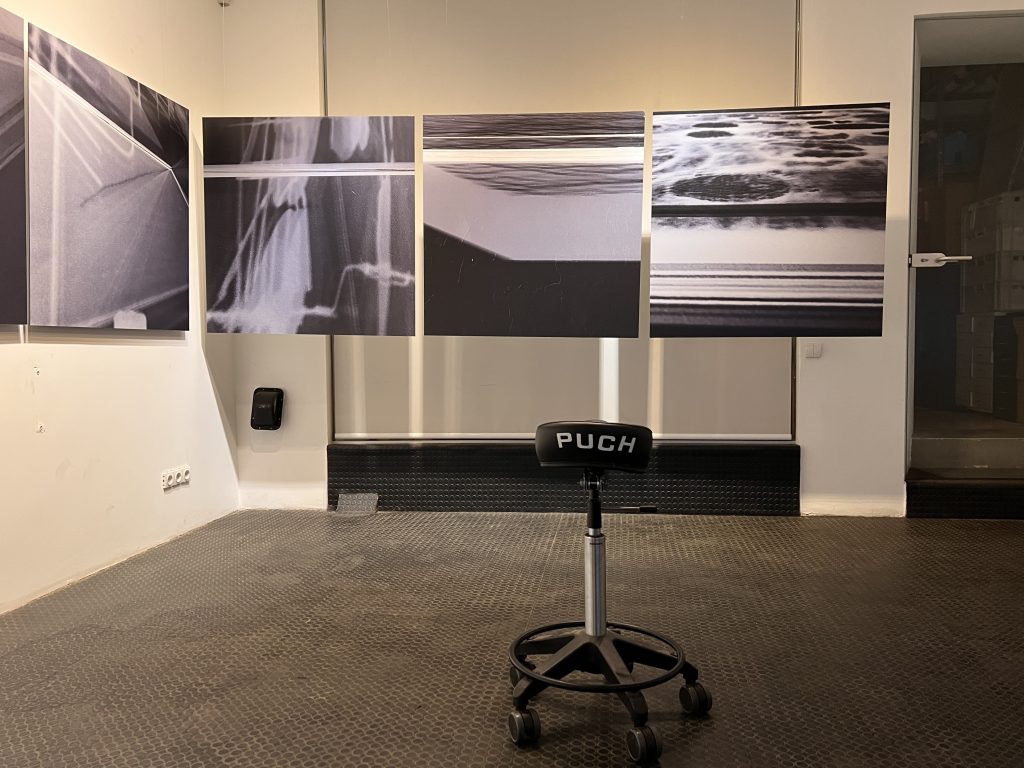

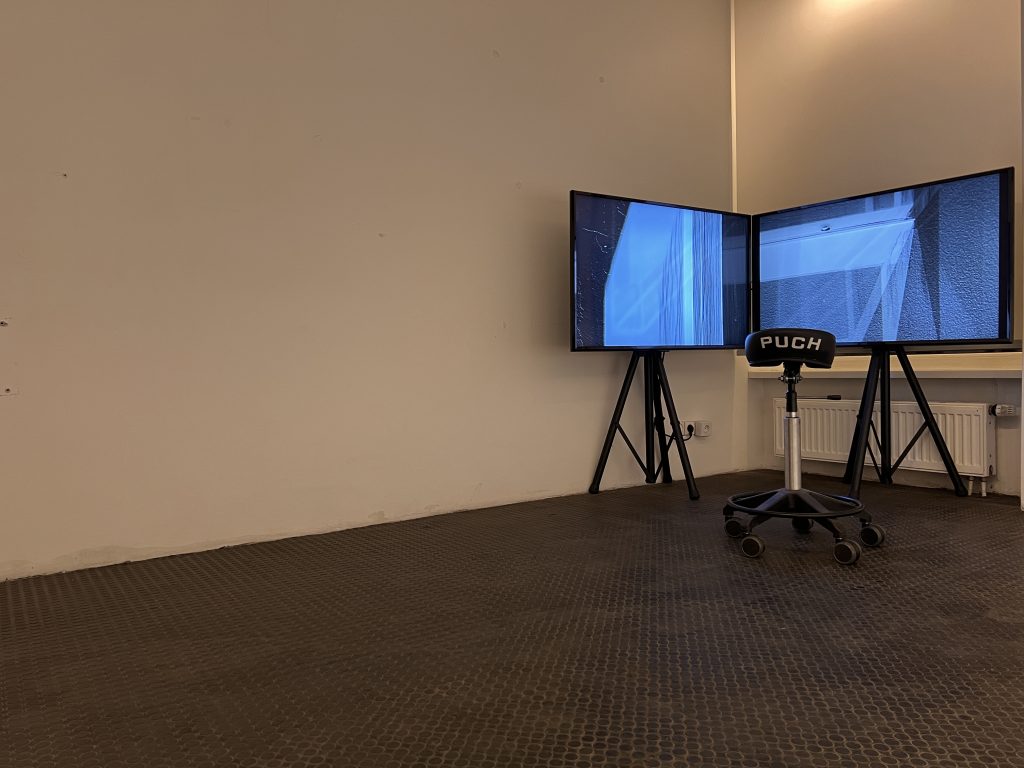
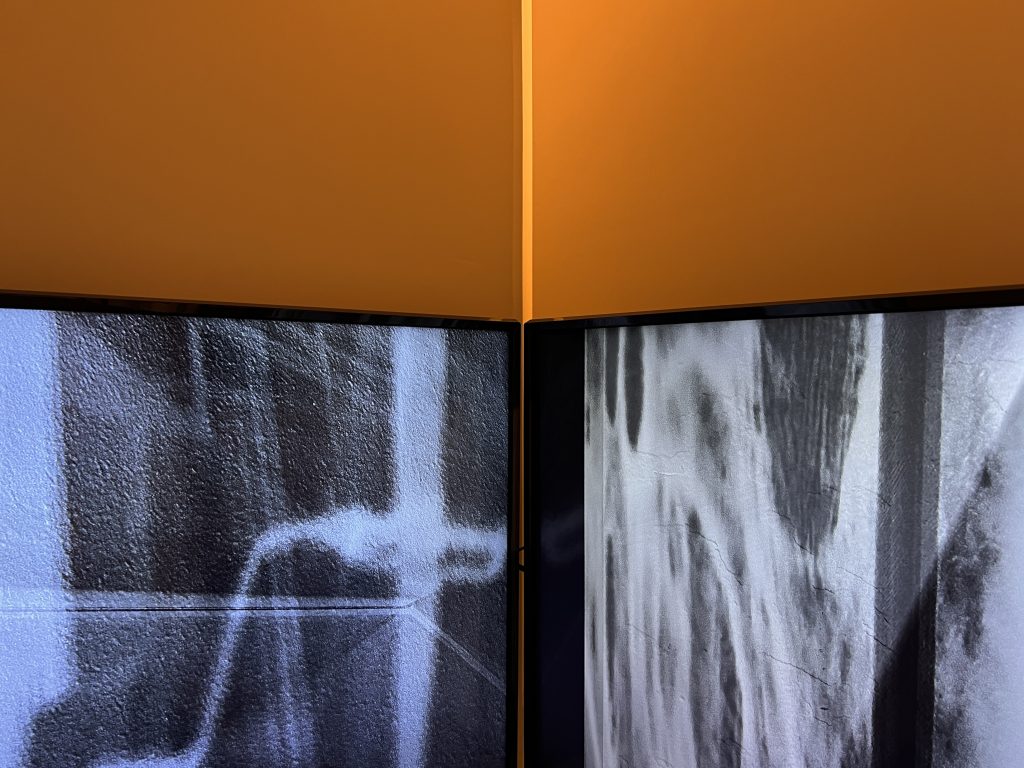

Project “Projectorium 22” was presented and suported by:



Deprecated: Creation of dynamic property WP_Term::$cat_ID is deprecated in /var/www/wordpress__2/wp-includes/category.php on line 378
Deprecated: Creation of dynamic property WP_Term::$category_count is deprecated in /var/www/wordpress__2/wp-includes/category.php on line 379
Deprecated: Creation of dynamic property WP_Term::$category_description is deprecated in /var/www/wordpress__2/wp-includes/category.php on line 380
Deprecated: Creation of dynamic property WP_Term::$cat_name is deprecated in /var/www/wordpress__2/wp-includes/category.php on line 381
Deprecated: Creation of dynamic property WP_Term::$category_nicename is deprecated in /var/www/wordpress__2/wp-includes/category.php on line 382
Deprecated: Creation of dynamic property WP_Term::$category_parent is deprecated in /var/www/wordpress__2/wp-includes/category.php on line 383
Deprecated: Creation of dynamic property WP_Term::$cat_ID is deprecated in /var/www/wordpress__2/wp-includes/category.php on line 378
Deprecated: Creation of dynamic property WP_Term::$category_count is deprecated in /var/www/wordpress__2/wp-includes/category.php on line 379
Deprecated: Creation of dynamic property WP_Term::$category_description is deprecated in /var/www/wordpress__2/wp-includes/category.php on line 380
Deprecated: Creation of dynamic property WP_Term::$cat_name is deprecated in /var/www/wordpress__2/wp-includes/category.php on line 381
Deprecated: Creation of dynamic property WP_Term::$category_nicename is deprecated in /var/www/wordpress__2/wp-includes/category.php on line 382
Deprecated: Creation of dynamic property WP_Term::$category_parent is deprecated in /var/www/wordpress__2/wp-includes/category.php on line 383
https://0-x.dudenas.lt/uncategorized/paroda-projektoriumas-architekturos-galerijoje-nulinis-laipsnis-vilniuje/
Deprecated: Creation of dynamic property WP_Term::$cat_ID is deprecated in /var/www/wordpress__2/wp-includes/category.php on line 378
Deprecated: Creation of dynamic property WP_Term::$category_count is deprecated in /var/www/wordpress__2/wp-includes/category.php on line 379
Deprecated: Creation of dynamic property WP_Term::$category_description is deprecated in /var/www/wordpress__2/wp-includes/category.php on line 380
Deprecated: Creation of dynamic property WP_Term::$cat_name is deprecated in /var/www/wordpress__2/wp-includes/category.php on line 381
Deprecated: Creation of dynamic property WP_Term::$category_nicename is deprecated in /var/www/wordpress__2/wp-includes/category.php on line 382
Deprecated: Creation of dynamic property WP_Term::$category_parent is deprecated in /var/www/wordpress__2/wp-includes/category.php on line 383
Deprecated: Creation of dynamic property WP_Term::$cat_ID is deprecated in /var/www/wordpress__2/wp-includes/category.php on line 378
Deprecated: Creation of dynamic property WP_Term::$category_count is deprecated in /var/www/wordpress__2/wp-includes/category.php on line 379
Deprecated: Creation of dynamic property WP_Term::$category_description is deprecated in /var/www/wordpress__2/wp-includes/category.php on line 380
Deprecated: Creation of dynamic property WP_Term::$cat_name is deprecated in /var/www/wordpress__2/wp-includes/category.php on line 381
Deprecated: Creation of dynamic property WP_Term::$category_nicename is deprecated in /var/www/wordpress__2/wp-includes/category.php on line 382
Deprecated: Creation of dynamic property WP_Term::$category_parent is deprecated in /var/www/wordpress__2/wp-includes/category.php on line 383
https://0-x.dudenas.lt/uncategorized/paroda-projektoriumas-architekturos-galerijoje-nulinis-laipsnis-vilniuje/#respond
Deprecated: str_replace(): Passing null to parameter #3 ($subject) of type array|string is deprecated in /var/www/wordpress__2/wp-includes/formatting.php on line 4199
]]>
Deprecated: Creation of dynamic property WP_Term::$cat_ID is deprecated in /var/www/wordpress__2/wp-includes/category.php on line 378
Deprecated: Creation of dynamic property WP_Term::$category_count is deprecated in /var/www/wordpress__2/wp-includes/category.php on line 379
Deprecated: Creation of dynamic property WP_Term::$category_description is deprecated in /var/www/wordpress__2/wp-includes/category.php on line 380
Deprecated: Creation of dynamic property WP_Term::$cat_name is deprecated in /var/www/wordpress__2/wp-includes/category.php on line 381
Deprecated: Creation of dynamic property WP_Term::$category_nicename is deprecated in /var/www/wordpress__2/wp-includes/category.php on line 382
Deprecated: Creation of dynamic property WP_Term::$category_parent is deprecated in /var/www/wordpress__2/wp-includes/category.php on line 383
Deprecated: Creation of dynamic property WP_Term::$cat_ID is deprecated in /var/www/wordpress__2/wp-includes/category.php on line 378
Deprecated: Creation of dynamic property WP_Term::$category_count is deprecated in /var/www/wordpress__2/wp-includes/category.php on line 379
Deprecated: Creation of dynamic property WP_Term::$category_description is deprecated in /var/www/wordpress__2/wp-includes/category.php on line 380
Deprecated: Creation of dynamic property WP_Term::$cat_name is deprecated in /var/www/wordpress__2/wp-includes/category.php on line 381
Deprecated: Creation of dynamic property WP_Term::$category_nicename is deprecated in /var/www/wordpress__2/wp-includes/category.php on line 382
Deprecated: Creation of dynamic property WP_Term::$category_parent is deprecated in /var/www/wordpress__2/wp-includes/category.php on line 383
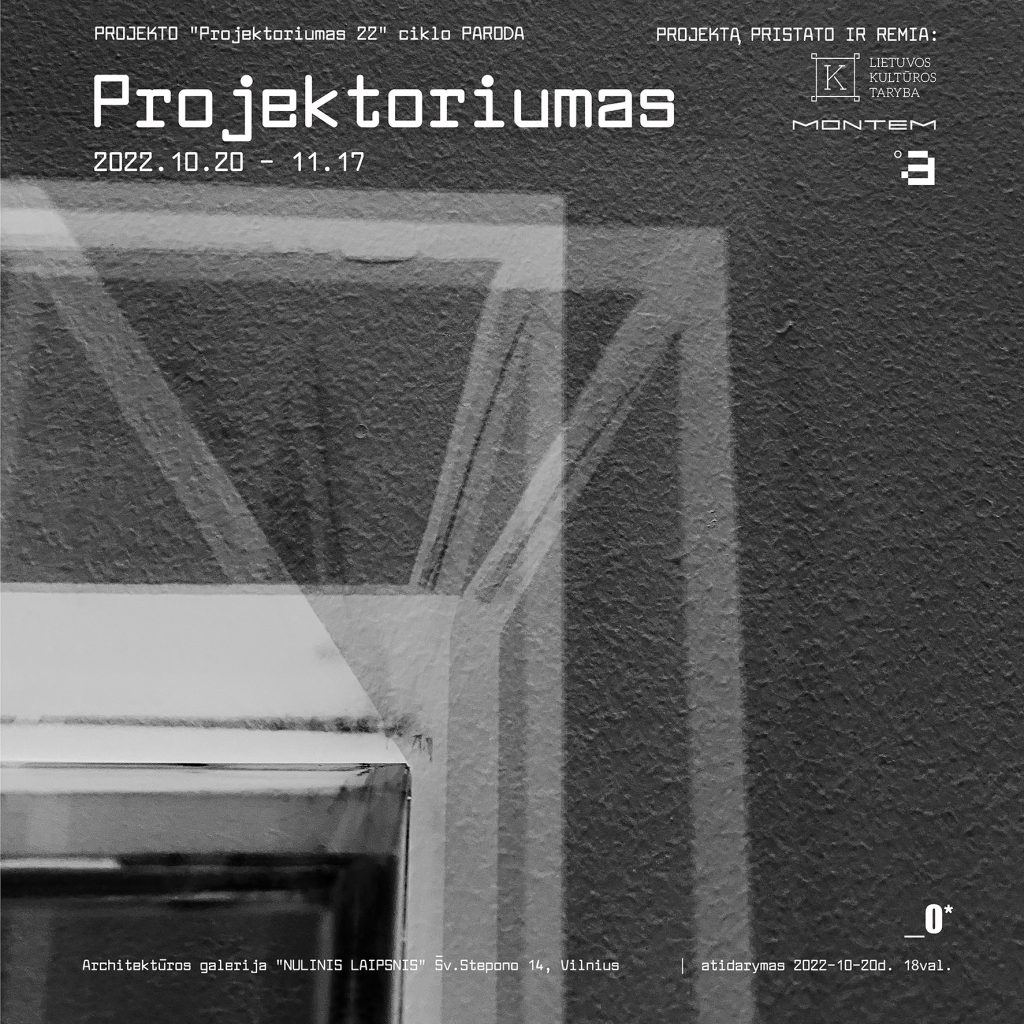
Parodos nuoroda socialiniuose tinkluose:
Projektą remia:


Deprecated: Creation of dynamic property WP_Term::$cat_ID is deprecated in /var/www/wordpress__2/wp-includes/category.php on line 378
Deprecated: Creation of dynamic property WP_Term::$category_count is deprecated in /var/www/wordpress__2/wp-includes/category.php on line 379
Deprecated: Creation of dynamic property WP_Term::$category_description is deprecated in /var/www/wordpress__2/wp-includes/category.php on line 380
Deprecated: Creation of dynamic property WP_Term::$cat_name is deprecated in /var/www/wordpress__2/wp-includes/category.php on line 381
Deprecated: Creation of dynamic property WP_Term::$category_nicename is deprecated in /var/www/wordpress__2/wp-includes/category.php on line 382
Deprecated: Creation of dynamic property WP_Term::$category_parent is deprecated in /var/www/wordpress__2/wp-includes/category.php on line 383
Deprecated: Creation of dynamic property WP_Term::$cat_ID is deprecated in /var/www/wordpress__2/wp-includes/category.php on line 378
Deprecated: Creation of dynamic property WP_Term::$category_count is deprecated in /var/www/wordpress__2/wp-includes/category.php on line 379
Deprecated: Creation of dynamic property WP_Term::$category_description is deprecated in /var/www/wordpress__2/wp-includes/category.php on line 380
Deprecated: Creation of dynamic property WP_Term::$cat_name is deprecated in /var/www/wordpress__2/wp-includes/category.php on line 381
Deprecated: Creation of dynamic property WP_Term::$category_nicename is deprecated in /var/www/wordpress__2/wp-includes/category.php on line 382
Deprecated: Creation of dynamic property WP_Term::$category_parent is deprecated in /var/www/wordpress__2/wp-includes/category.php on line 383
https://0-x.dudenas.lt/uncategorized/paroda-projektoriumas-architekturos-galerijoje-nulinis-laipsnis-vilniuje/feed/
Deprecated: Creation of dynamic property WP_Term::$cat_ID is deprecated in /var/www/wordpress__2/wp-includes/category.php on line 378
Deprecated: Creation of dynamic property WP_Term::$category_count is deprecated in /var/www/wordpress__2/wp-includes/category.php on line 379
Deprecated: Creation of dynamic property WP_Term::$category_description is deprecated in /var/www/wordpress__2/wp-includes/category.php on line 380
Deprecated: Creation of dynamic property WP_Term::$cat_name is deprecated in /var/www/wordpress__2/wp-includes/category.php on line 381
Deprecated: Creation of dynamic property WP_Term::$category_nicename is deprecated in /var/www/wordpress__2/wp-includes/category.php on line 382
Deprecated: Creation of dynamic property WP_Term::$category_parent is deprecated in /var/www/wordpress__2/wp-includes/category.php on line 383
Deprecated: Creation of dynamic property WP_Term::$cat_ID is deprecated in /var/www/wordpress__2/wp-includes/category.php on line 378
Deprecated: Creation of dynamic property WP_Term::$category_count is deprecated in /var/www/wordpress__2/wp-includes/category.php on line 379
Deprecated: Creation of dynamic property WP_Term::$category_description is deprecated in /var/www/wordpress__2/wp-includes/category.php on line 380
Deprecated: Creation of dynamic property WP_Term::$cat_name is deprecated in /var/www/wordpress__2/wp-includes/category.php on line 381
Deprecated: Creation of dynamic property WP_Term::$category_nicename is deprecated in /var/www/wordpress__2/wp-includes/category.php on line 382
Deprecated: Creation of dynamic property WP_Term::$category_parent is deprecated in /var/www/wordpress__2/wp-includes/category.php on line 383
Deprecated: Creation of dynamic property WP_Term::$cat_ID is deprecated in /var/www/wordpress__2/wp-includes/category.php on line 378
Deprecated: Creation of dynamic property WP_Term::$category_count is deprecated in /var/www/wordpress__2/wp-includes/category.php on line 379
Deprecated: Creation of dynamic property WP_Term::$category_description is deprecated in /var/www/wordpress__2/wp-includes/category.php on line 380
Deprecated: Creation of dynamic property WP_Term::$cat_name is deprecated in /var/www/wordpress__2/wp-includes/category.php on line 381
Deprecated: Creation of dynamic property WP_Term::$category_nicename is deprecated in /var/www/wordpress__2/wp-includes/category.php on line 382
Deprecated: Creation of dynamic property WP_Term::$category_parent is deprecated in /var/www/wordpress__2/wp-includes/category.php on line 383
https://0-x.dudenas.lt/uncategorized/apie-tris-anarchijos-rusis-architekturoje-tomas-grunskis/
Deprecated: str_replace(): Passing null to parameter #3 ($subject) of type array|string is deprecated in /var/www/wordpress__2/wp-includes/formatting.php on line 4199
]]>
Deprecated: Creation of dynamic property WP_Term::$cat_ID is deprecated in /var/www/wordpress__2/wp-includes/category.php on line 378
Deprecated: Creation of dynamic property WP_Term::$category_count is deprecated in /var/www/wordpress__2/wp-includes/category.php on line 379
Deprecated: Creation of dynamic property WP_Term::$category_description is deprecated in /var/www/wordpress__2/wp-includes/category.php on line 380
Deprecated: Creation of dynamic property WP_Term::$cat_name is deprecated in /var/www/wordpress__2/wp-includes/category.php on line 381
Deprecated: Creation of dynamic property WP_Term::$category_nicename is deprecated in /var/www/wordpress__2/wp-includes/category.php on line 382
Deprecated: Creation of dynamic property WP_Term::$category_parent is deprecated in /var/www/wordpress__2/wp-includes/category.php on line 383
Deprecated: Creation of dynamic property WP_Term::$cat_ID is deprecated in /var/www/wordpress__2/wp-includes/category.php on line 378
Deprecated: Creation of dynamic property WP_Term::$category_count is deprecated in /var/www/wordpress__2/wp-includes/category.php on line 379
Deprecated: Creation of dynamic property WP_Term::$category_description is deprecated in /var/www/wordpress__2/wp-includes/category.php on line 380
Deprecated: Creation of dynamic property WP_Term::$cat_name is deprecated in /var/www/wordpress__2/wp-includes/category.php on line 381
Deprecated: Creation of dynamic property WP_Term::$category_nicename is deprecated in /var/www/wordpress__2/wp-includes/category.php on line 382
Deprecated: Creation of dynamic property WP_Term::$category_parent is deprecated in /var/www/wordpress__2/wp-includes/category.php on line 383
Deprecated: Creation of dynamic property WP_Term::$cat_ID is deprecated in /var/www/wordpress__2/wp-includes/category.php on line 378
Deprecated: Creation of dynamic property WP_Term::$category_count is deprecated in /var/www/wordpress__2/wp-includes/category.php on line 379
Deprecated: Creation of dynamic property WP_Term::$category_description is deprecated in /var/www/wordpress__2/wp-includes/category.php on line 380
Deprecated: Creation of dynamic property WP_Term::$cat_name is deprecated in /var/www/wordpress__2/wp-includes/category.php on line 381
Deprecated: Creation of dynamic property WP_Term::$category_nicename is deprecated in /var/www/wordpress__2/wp-includes/category.php on line 382
Deprecated: Creation of dynamic property WP_Term::$category_parent is deprecated in /var/www/wordpress__2/wp-includes/category.php on line 383
„Anarchitektūra“ iš pirmo žvilgsnio atrodo neproduktyvi idėja ir labiausiai – architektams. Architektūros ir su ja susijusios menotyrinės kritikos lauke ši tema aptarinėjama gana retai, nes pačių architektų laikoma užribiu, o menotyriniu požiūriu – seklia, nes etaloninių referencijų į architektūros anarchijos istoriją sąrašas nėra ilgas, o norint šią temą paversti reikšminga („disertabilia“ ar moksliškai bent kiek „rentabilia“) tenka pasiremti idėjų ir žinių interpretacijomis, sąsajomis ir platesniu požiūriu į reiškinį, tad menotyrininkams tema irgi nėra labai patraukli. Šiame straipsnyje eseistinis tekstas apie anarchiją architektūroje formuluojamas iš architekto pozicijų, todėl nepretenduojant į moksliškumą ir tyrimą, laikytina, jog tai – refleksija intriguojančia tema.
Chrestomatiniu anarchijos idėjų raiškos pavyzdžiu architektūroje yra laikoma architekto ir menininko Gordon Matta – Clark[1] (1943-1978) kūryba XX a. septintojo ir aštuntojo dešimtmečiais pietų Bronkse, Niujorke, JAV. Savo kūryboje jis dekonstruotos architektūros ir vizualiai provokuojančių instaliacijų forma kėlė socialines nelygybės, rasizmo, politinio nejautrumo ir kitas problemas. Idėjoms reikšti ir meno kūriniams dokumentuoti Gordon Matta-Clark naudojo video, filmo fotografijos ir net performanso (ar performatyvios erdvės) priemones[2]. Šiam menininkui – architektui yra dedikuota Stephen Walker knyga „Gordon Matta-Clark. Art, Architecture and the Attack on Modernism“, kurioje keliais esminiais teoriniais pjūviais analizuojama kūryba menotyriniu požiūriu ir išsakoma įdomi „diskretiško pažeidimo“(discrete violation) prieiga. Stephen Walker kritinės įžvalgos yra labai įdomios ir svarbios architektūros menotyrai, o sistemiškas analitinis požiūris knygoje tik iliustruoja minėtą tokio pobūdžio tekstų menotyrinį sudėtingumą ir keblumą.
Su anarchija architektūroje susiję ir keli kiti požiūriai, sutinkami literatūroje ar menotyrinėje architektūros kritikoje. Viena vertus, kaip anarchijos pasireiškimą architektūroje dažnas kritikas mini radikalesnius manifestus, idėjiškai kritikuojančius pačią architektūros kaip reiškinio tapatybę – „Architektūrą be architektų“ ar „Architektūrą be architektūros“. Architektūra be architektų – tai Bernard Rudofsky paroda MOMA Niujorke 1964 metais ir knyga, išleista 1965 metais [3] , kurioje jis sąmoningai plečia architektūros srities ribas, istorijos pavyzdžiais įrodydamas, kad statybos menas yra universalus fenomenas, kuriame dalyvauja ir aktyviai veikia ne tik architektūros specialistai, ir kad vietos tradicijomis paremta savavalė architektūra yra ne mažiau vertinga ir meniška. „Architektūra be architektūros“ – kitas menotyrinis darbas, suformuluotas Simon Sadler. Tai knyga apie „Archigram” grupę (ji vadinasi „Archigram. Architecture without Architecture“), kurioje kalbama apie architektūros avangardą XX a. septintajame dešimtmetyje, kitaip vadinamą radikaliąja architektūra[4]. Joje aptariama architektūros tapatybė per ce, keliant klausimą, ar į architektūrą reikia žiūrėti rimtai. Ir nors knyga yra skirta „Archigram” grupės raidai ir kūrinių bei idėjų analizei, autoriaus prieiga pati savaime laikytina kritiška ir turinčia anarchiškumo bruožų. Lietuvos kontekste taip pat paminėtinas veikalas „Architektūra be architektūros“ (Autorius architektas Gintaras Kuginys[5]), kurio pavadinime užkoduotas esminis architektūros srities prieštaravimas ir kuris yra filosofinis architektūros manifestas apie jos transcendentišką esmę ir prigimtį. Anarchiškų idėjų šiame veikale nesurasime, veikiau atvirkščiai – trumpu, ko ne haiku stiliumi užrašyti filosofiniai teiginiai apie architektūrą, kūrybą ir amžinąsias jos vertybes yra fundamentalūs, tačiau kai kurių „kritikų“, verčiau linkusių nesigilinti į veikalo turinį, o kritikuoti „viršelį“ , knyga laikoma anarchiška. Šie keli pavyzdžiai rodo, kad tradicija analizuoti ir išryškinti vidinius architektūros srities prieštaravimus aktualių sociokultūrinių reiškinių kontekstuose yra, nors ir reta, bet aktuali; ji leidžia revizuoti architektūros srities vertybes ir nuostatas ir jas susieti su socialine – kultūrine aplinka. Pavyzdžių, iliustruojančių šiuos bruožus yra ir daugiau, o jų įtaką architektūros praktikai įžvelgia ne vienas architektūros tyrėjas, tačiau tai – platesnio tyrimo klausimas, vertas atskiros publikacijos.
Dar vienas svarbus bruožas, nesunkiai pastebimas architektūros kritikos literatūroje yra „savavalė architektūra“ arba architektūra, iškylanti ignoruojant teisinį reguliavimą. Savo esme ši idėja taip pat prieštarauja architektūros sričiai, kuri šiandien vis labiau reguliuojama teisiškai (kas neužtikrina jos kokybės, tik biurokratizuojami procesai). Vienas įdomesnių ir naujausių veikalų, tiriančių šį reiškinį ir savireguliacinius (anarchinius) fenomenus architektūroje yra Paul Dobaszczyk „Architecture and Anarchism“[6] – knyga, kurioje skirtingais pavyzdžiais iliustruojama ir analizuojama pamatinę architektūros tvarką ir reguliavimą neigianti tendencija ir jai suteikiama kultūrinio reiškinio svarba. Tai – pozityvistinis požiūris, kuris yra diskutuotinas, tačiau dėl objektyvumo reikėtų pastebėti, kad savavalė statyba yra įsisenėjusi problema, ypač Lietuvoje, ir kad tai – teisines pasekmes lemianti veikla, turinti administracinio nusižengimo (ar net nusikaltimo) bruožų. Esminis prieštaravimas, kurį akcentuoja architektūros reguliuotojai šiame kontekste yra neigiamas poveikis „trečiųjų asmenų“ interesams arba pažeidžiamas viešasis interesas, kuris yra svarbesnis už diskutuotinas kultūrines vertes, galimai atsirandančias dėl tokios veiklos rezultato. Čia nesunkiai užčiuopsime keletą esminių diskusinių klausimų, tiesiogiai susijusį su anarchija. (1) Kiek, kur ir kokiame lygyje yra būtina reguliuoti visuomenės santykius ir architektūrą? Juk net ir vadinamoji „liaudies“ architektūra, kuri bet kuriame kaime kelis šimtus metų buvo tradicinė ir kažkiek savita dėl skirtingų vietovės ar regiono kultūrinių bruožų, statybos metodų, kuri nebuvo kaip nors reglamentuojama, šiuo metu irgi patenka į reglamentų sąrašus priverstinių „rekomendacijų“ forma, primygtinių nurodymų būdu apribojant asmeninių pasirinkimų laisves savininkams. Čia taip pat galime kvestionuoti reikalavimais bei reglamentuojančiomis taisyklėmis ribojamų laisvų pasirinkimų santykį su švietimo ir vertybinės orientacijos būdų formuojama (vidinių bendruomeninių taisyklių) vertybių sistema, kuri būtų priimtina visiems ir kuri vestų link to paties rezultato. O paprasčiau būtų paklausti, reglamentais, ar švietimu, o gal represyviniu ar edukaciniu keliu būtų geriau eiti tokiais atvejais? Kitas (2) diskusinis klausimas: Ar visa savavalė architektūra turi būti laikoma nusikaltimu? Jei ne, tai kaip apibrėžti jos ribas? Čia galimas (tačiau ne galutinis) atsakymas – savavalės architektūros ar savavalių veiksmų destrukcijos lygis ir padaroma žala. Jei nei vieno, nei kito objektyviai nėra, gali būti, kad nusižengimas labai menkas ir dėl to pasekmės nesvarstytinos, o jeigu toks veiksmas ar rezultatas turi kokios nors kultūrinės vertės bruožų, matyt ir priimtinas a priori. Toks požiūris svarstytinas, tačiau teisiškai, matyt, labai diskutuotinas, o ir poveikis bei žala šiais laikais gali būti suvokiama gana plačiai. (Pavyzdžiui, kažkokio dydžio ar formos pastatas kažkurioje vietoje gali žeisti kieno nors kokius nors jausmus ir pan.) Jį (poveikio ir žalos) kaip argumentą pateikia anarchinės kultūros architektūroje apologetai, kuriems šio teksto autoriaus priskirti tikrai nederėtų.
Taigi, menotyrinis anarchijos reiškinio architektūroje kontekstas, nors ir paremtas skirtingu klausimo traktavimu bei prieigomis, nėra labai unikalus. Nors tyrimų ir veikalų šia tema nėra labai daug, prie anarchijos temos grįžtama, atskleidžiant reiškinio savitumus skirtingu laikotarpiu ir aktualių sociokultūrinių procesų šviesoje. Ir tai, kad pati tema kažkuriam kritikui gali pasirodyti prieštaringa ar neįdomi, dar nėra pagrindas ją neigti ar tiesiog atmesti, remiantis vien subjektyviu požiūriu. Anarchinių idėjų architektūros istorijoje būta nemažai ir jos dažnai lėmė tiek pačios architektūros srities raidą per kritiką, tiek ir jos santykių su visuomene reviziją, kas dar sykį liudija, kad architektūra kaip sociokultūrinis reiškinys nėra statiškas dalykas.
Tad, jei grynosios anarchijos bruožų, kuriuos lemtų paties architekto veiksmai, kasdienėje architektūros praktikoje beveik neįžvelgsime, tai pakeitus stebėjimo mastelį ir stengiantis aprėpti architektūrą plačiau anarchijos elementai išryškės. Čia įdomu pastebėti, kad sociologai ir antropologai anarchijos problemą architektūroje analizuoja kur kas aktualiau ir subtiliau, nei patys architektai, nes, jų, veikiausiai, nespaudžia produktyvistinis mąstymas ir rezultato siekimas. Tačiau, kadangi architektūra yra užkrėtusi mentalinio uždarumo ir idėjinės ksenofobijos „virusu“, anarchijos klausimas visada atrodo labiau provokuojantis, negu yra iš tikrųjų. Tad sutarus, kad anarchija nėra nei socialinė, nei kokia kita betvarkė, kad ji gali reikštis skirtingais būdais – ne dekonstruktyviais, bet konstruktyviais – ir kad pati idėja socialine prasme jau yra nutolusi nuo pirmapradės (socialistinės) prigimties (nes anarchizmas yra socializmo atmaina) ir netgi sutinkant, kad tiek miesto formavime „iš apačios“, tiek ir architektūros kūrybos bei kritikos procesuose anarchijos apraiškų esama, leisime jai būti bent šio teksto rėmuose. Nors anarchijos idėjos architektūrai baziniame lygmenyje paprastai yra svetimos ir dėl srities bei profesijos tradicinių požiūrių ir misijos tvarkyti bei „gražinti“ pasaulį, aiškiausiai jos patiems architektams atsiskleidžia per tris pagrindinius bruožus. Pirmiausia – jų veiklos praktikoje realizuojant architektūrą (profesinis lygmuo) (A); santykiuose su visuomene ir skirtingomis jos protesto formomis (socialinis lygmuo) (B) ir su architektūros vertybėmis susijusiais objektais arba jų naikinimu (vertybinis lygmuo) (C). Visais trimis atvejais kaip aktyvi jėga dalyvauja verslas ir jo atstovai, architektūros srityje vadinami užsakovais, arba, STR’iškai teisiškai teisingai, statytojais.
Pirmasis atvejis turi dvi briaunas (kampus). I. Anarchija dažnai būdinga architektūrinei praktikai (veiklai), kai statytojas ir rangovas savo „gera valia“ ir optimizuodami kaštus, koreguoja projektą ir sprendinius be architekto, nes pastarasis „skrajoja“ padebesiais ir „stato paminklą sau“, nesuprasdamas kiek kas kainuoja ir kokia visko vertė… Kaip ir kiekvienas atvejis, taip ir šis, turi daug niuansų ir subtilybių, tačiau galvojant abstrakčiai (ar prisimenant patirtį iš statybos aikštelių), architektui tokie veiksmai neretai atrodo anarchiški ir destruktyvūs jo atžvilgiu, nes griauna ne tik pirminę kūrybinę tvarką bei idėją, bet sunaikina ir patį kūrinį kaip išbaigtą visumą, primetant jam kitas savybes, kurios nulemtos rangovo „ekspertinės“ nuomonės ir “ilgamečių“ jo žinių apie architektūrą – kokia ji turi būti pigi ir optimali, o tai taip pat dažniausiai patinka statytojui. Tokia anarchija yra matoma lyg „iš vidaus“ ir tiems, kurie architektūrą laiko menu[7] (kad ir koks sudėtingas būtų šis suvokimas) ir jai kelia kultūrinės vertės bei aukštos kokybės reikalavimus. Tiesa, egzistuoja ir kita briauna – tam tikra architektūros STR’inė „kūryba“, kurioje primityvių kombinatorinių lygčių su esmine ekonomine dedamąja sprendimų rezultate gauname „padarytą“ – suprojektuotą architektūrą, kurioje kultūrinis, idėjinis ir kokybinis dėmuo yra sąmoningai ištrinamas, nes netelpa į lygtį, kurios pagrindinis vardiklis yra pinigai ir ekonominė sėkmė. Tokią architektūros statinių (čia nereikia galvoti apie interjerą) „kūrybą“ derėtų taip pat laikyti anarchiška ir destruktyvia architektūros ir architekto misijos (jei tokia dar yra) atžvilgiu, nors dėl objektyvumo taip pat reikėtų pažymėti, kad alkano ir išnaudojamo kūrėjo idealas ne tik seniai pateko į XIX a. literatūrines romantines chrestomatijas, bet šiandien gali atrodyti net nusikalstamas (žr. nuorodoje minėtą A. Ropolo interviu), ir platesnėje atsakomybių prasme architektūros praktikoje architektas ne visada gali pasirinkti, ką kurti ir su kuo bendrauti. Tikėtina, kad pusiausvyra tarp ekonominių, socialinių ir vertybinių – meninių lūkesčių kažkur yra, tik ne visiems ir ne visada juos pavyksta suprasti ir įgyvendinti[8]. Taigi, galvodami apie architektūrą ir jos profesinį lygmenį lyg „Iš vidaus“ , matome dvejopą anarchišką destruktyvumą kūrinio ir kūrybos atžvilgiu – tiek iš užsakovo ir statytojo, tiek ir iš pačių architektų pusės. Keistai gali pasirodyti, kad ši problematika yra pasikartojanti[9]. (Į šią analizę neįtraukėme kūrybinės anarchijos kaip taisyklių laužymo, atvejų, kurie pasižymi lokalumu ir reikalauja detalesnės eksperimentinės kūrybinės veiklos bei personalijų kūrybos aptarimo.)
Kalbant apie anarchijos pasireiškimą per socialinio protesto formas prieš architektūrą pastebėtini keli esminiai bruožai: I. Protesto priežastis (kilmė) ir protesto tikslas, lemiantis jo pobūdį. Socialinio protesto prieš architektūrą priežastys paprastai susijusios su reakcija į jos užprogramuotus erdvinius, struktūrinius ar net kultūrinius pokyčius, kuriuos galimai lems verslo atstovų noras vystyti teritorijas ar vietas realizuojant vieno ar kito pobūdžio architektūrą bei keičiant urbanistines erdves. Toks protestas gali būti nukreiptas ir prieš architektūros objektą ir prieš kokį nors urbanistinį darinį. Jo tikslas – neleisti įvykti numatytiems pokyčiams, kurie visuomenės ar bendruomenės narių suvokiami kaip grėsmė. Tokių protesto pavyzdžių yra daug, tarp jų paminėtini ne tik svarbūs „Archaktyvizmo“[10] ir protesto laboratorijos „Lietuva be kabučių“ įvykiai[11], bet ir tokie kaip Misionierių sodų, Reformatų skvero, Prekybos centro Džiaugsmo gatvėje ir kiti projektai Vilniuje bei Vilos Perkūno g. Kaune griovimo atvejis. Šie protestai, būdami spontaniška, bet ir teisiškai organizuota reakcija, iš pirmo žvilgsnio anarchijos bruožų turi mažai, tačiau yra svarbūs kaip savireguliaciniai procesai architektūros srityje, nes keičia joje nus(si)statytą tvarką, nustačius santykius su visuomene (priminsime, kad anarchijos nereikia suvokti kaip destruktyvios betvarkės). Čia galime paminėti ir kitą reakcijos arba socialinio protesto bruožą, sietiną su architektūros naikinimu ar vertybiniu lygmeniu (C), kai tam tikri architektūros objektai, atspindėdami tam tikrą laikotarpį ir jame vyravusias socialines bei kultūrines idėjas, tampa jų simboliais, o toms idėjoms netekus aktualumo ar įsivyravus diametraliai priešingoms kultūrinėms vertybėms, kurios paneigia ankstesnes, kažkuriuo metu imama sąmoningai, arba ne, keisti ir su šiomis vertybėmis siejamą architektūrą, ignoruojant jos kultūrinę vertę. Tokios transformacijos vyko ir tebevyksta iki šiol; pagrindinis jų iniciatorius yra verslas, kuriame dominuoja efektyvumo ir optimalumo kriterijai. Tokiais argumentais remiantis (tiek objektyviai, tiek subjektyviai) buvo transformuota nemažai vertingos modernistinės architektūros, tai argumentuojant energijos efektyvumo ir išteklių taupymu. Ir jei tokius pokyčius dar kažkaip galima suvokti kaip „socialinį užsakymą“, tai naikinimo ir vertybinio lygmens anarchija architektūroje reiškiasi gana radikaliai, manipuliuojant visuomenine nuomone komunikacijos technologijų priemonėmis ar tiesiog ciniškai naikinant vertingąsias pastato savybes ir patį pastatą. Šiame kontekste paminėtini du svarbūs objektai Vilniuje – buvęs Kelių policijos pastatas Giraitės gatvėje ir buvęs Sveikatos ministerijos pastatas Gedimino ir Jakšto gatvėje. Atvejai yra panašūs, nes juos iniciavę subjektai yra verslo atstovai ir pasižymi panašiu, nors ir skirtingo masto cinizmu. Visiems žinoma, kad postmodernistinis Kelių policijos pastatas buvo nugriautas. Šį procesą inicijavo verslo grupė, atstovaujanti stambų prekybos centrų tinklą, entuziastingai palaikė net Vilniaus miesto meras (galbūt tai reiškia, ir Vilniaus miesto savivaldybė), o atsakingos institucijos (KPD ir Valstybinė statybos inspekcija VTSPI) tik dar sykį įrodė savo neįgalumą[12], neradusios nieko vertinga ir nustačiusios „avarinę pastato būklę“, kuri galimai buvo sąmoningai sukelta, siekiant pastatą sunaikinti. Nors pilietinių pastangų ginti šį architektūros kūrinį buvo ne viena. Iš jų verta paminėti M. Drėmaitės ir kolegų surengtą parodą „Giraitė yra gražu“ NDG (kaip reakciją į Vilniaus mero kvietimą įrodyti, kad Kelių policijos pastatas yra gražus, tuo pačiu sąmoningai ignoruojant architektūros istorijos autoritetų pastangas tai padaryti). Taip pat kiek prieštaringą architektūros bendruomenės atstovų fotografavimosi prie pastato akciją, nes vienintelis likęs būdas „pareikšti” autorines teises buvo galimybė nufotografuoti pastatą arba nusifotografuoti prie jo (arba imtis radikalių anarchinių „gulimo po buldozeriais“ veiksmų, nors tai architektūros srityje, vargu, ar įmanoma). Prieštaringa šią akciją vadiname dėl to, kad dalis savo palaikymą išreiškusių kolegų architektų galimai dalyvavo šio pastato pertvarkos į „biurų parką“ konkurse (net 14 studijų!), kuriame, be kitų dalykų, buvo siūloma jį griauti. Šio konkurso sąlygas vienaip ar kitaip turėjo aprobuoti Lietuvos architektų sąjunga, jį organizavusi ir paskelbusi laimėtoją – galimai kultūros vertybę naikinantį projektą[13]. Visų šių veiksmų rezultatas – nugriautas pastatas ir tuščias sklypas, kurio vertė dėl to gerokai išaugo, o konkursiniai projektai nebūtinai kada nors bus realizuoti. Labiau tikėtina, kad ne.
Kitas – buvusio sveikatos apsaugos ministerijos pastato Gedimino pr. 27/A. Jakšto g. 2 pirmojo aukšto įstiklinimo atvejis,[14] kuris galimai (!) baigėsi teismo sprendimu[15], laikytinas ciniškai anarchiniu architektūros vertingųjų savybių naikinimo pavyzdžiu, parodančiu vertybines krizes, dominuojantį požiūrį į kultūros vertybes ir tikrąją dalies verslininkų bendruomenės brandą. Ir jei šie du vertybinio lygmens anarchiją iliustruojantys pavyzdžiai yra ženkliški, galimai perteikiantys esminius problemos bruožus ir anarchišką destruktyvų elgesį, tai trečiasis – Vilos griovimo Perkūno gatvėje Kaune – atvejis yra radikaliausias. Jis apima visus abiejų anksčiau minėtų atvejų bruožus: sąmoningą vertingo architektūrinio objekto nugriovimą, jo vertingųjų savybių naikinimą, ciniškas teisines manipuliacijas, atsakingų institucijų neįgalumą ir net spontanišką socialinę reakciją bei protesto veiksmus (juo tai pat galime vertinti kaip pozityvios anarchijos bruožą). Kadangi rašant šį tekstą dar vyksta teisiniai procesai, nuo detalesnės analizės susilaikysime. Reziumuodami sutiksime, kad trys šiame tekste minimi atvejai yra simboliškai sureikšminti. Jie galimai atspindi destruktyviąją vertybinio lygmens anarchiją. Taip pat nesunku pastebėti, kad panašių atvejų Lietuvoje yra kur kas daugiau, tačiau tik nedidelė jų dalis yra viešinama medijose, sukelia rimtesnes socialines reakcijas ar turi teisinių pasekmių.
Apibendrindami profesinio, socialinio protesto ir vertybinio lygmenų anarchijos bruožų architektūroje analizę ir trumpą ontologinę apžvalgą, galime konstatuoti, kad idėjos, pats reiškinys ir anarchiniai procesai architektūros srityje reiškiasi ir destruktyviai, ir konstruktyviai. Anarchinių elementų pastebėtume socialinio protesto „už“ arba „prieš“ architektūrą, taip pat tekste neaptartuose socialinio aktyvizmo atvejuose. Jeigu tokie protestai ar reakcijos yra nukreipti konstruktyvaus dialogo link, jų pobūdis ir formų radikalumas nesukelia teisinių pasekmių, jie gali būti laikomi produktyviais (aišku, jei kaip nors išvengiama viešųjų ryšių ar teisinių manipuliacijų, nors tai pasitaiko retai), o kažkiek valdoma anarchija, kaip socialinės sąveikos ir savireguliacijos priemonė, net ir architektūroje, nebūtinai vertintina vien neigiamai. Destruktyviais anarchijos pasireiškimo bruožais pasižymi su vertybine sistema (jos krize) ir naikinimu susiję atvejai, kurie sukelia skirtingų kultūrinių bei teisinių pasekmių. Dažniausiai jie rezonansiniai, todėl simboliškai reikšmingi jei ne lokaliai architektūros istorijai, tai bent jau aktualiam pasakojimui apie architektūros raidą pirmajame XXI a. ketvirtyje Lietuvoje. Profesinio lygmens anarchiniai atvejai (jiems skirta mažokai dėmesio) yra dažniausiai susiję su dvikrypte – santykio su užsakovu ir santykio su profesine misija problematika, kurios vien teisiniais argumentais ar priemonėmis išspręsti nepavyksta. (O gal neįmanoma.) Produktyvaus atsakymo profesinio lygmens anarchinių bruožų atveju nėra, nes tai – irgi vertybinė (ar net sisteminė) problema, kuri prasideda nuo architektūros edukacijos ir baigiasi architektūros politika.
Baigdami atkreipsime dėmesį, kad galimai visų tekste minimų anarchinių bruožų ir atvejų architektūroje įvardijimą bei vertinimą lemia subjektyvūs kriterijai, įtakoti vertybinių argumentų, kurie yra diskutuotini. Tačiau pamatine derėtų laikyti nuostatą, kad su architektūra ir jos kultūra susiję reiškiniai, jei tik juos pastebi ne vienas tyrėjas, yra neneigtini ir aptartini vien jau dėl to, kad per juos architektūros sritį galime tampriau susieti su platesniu (ne tik Lietuvos) kultūriniu paveikslu. O to vis dar trūksta.

[1] Plačiau žiūrėti: https://en.wikipedia.org/wiki/Gordon_Matta-Clark
https://www.mashindia.com/anarchy-and-architecture-gordon-matta-clark.php
https://www.bnieuws.nl/read/gordon-matta-clark-poetic-anarchy
https://www.vulture.com/2017/11/gordon-matta-clark-anarchitect.html
https://www.davidzwirnerbooks.com/product/gordon-matta-clark-anarchitect
https://arterritory.com/en/architecture_design–fashion/articles/24178-cutting_through_the_1970s/
[2] Gordon Matta Clark kūrybą mini visi kalbinti apie architektūrą ir anarchiją LRT laidoje „Žmogus ir miestas“. Tiek architektas Andrius Ropolas, tiek ir menininkas Gediminas Urbonas. Žr. Idėjų sąsajų nesunkiai galima surasti su Kolino Wardo (Colin Ward) tekstais: https://en.wikipedia.org/wiki/Colin_Ward
[3] Architecture Without Architects: A Short Introduction to Non-Pedigreed Architecture.
[4] Šį terminą taip pat galime rasti pas architektūros kritiko ir menininko Kazio Varnelio tekstuose: https://varnelis.net/category/radical-architecture/
[5] Gintaras Kuginys „Architektūra be architektūros“ 2015m. ^iam veikalui buvo dedikuota paroda Architektūros galerijoje „Nulinis laipsnis“ Vilniuje 2016m. https://artnews.lt/architekto-gintaro-kuginio-paroda-architektura-be-architekturos-galerijoje-nulinis-laipsnis-33606 , https://pilotas.lt/2016/02/01/pulsas/architektura-be-architekturosgintaro-kuginio-paroda-nuliniame-laipsnyje/
[6] Paul Dobaszczyk .Architecture and Anarchism: Building without Authority. Paul Holberton Publishing. Londonas 2021.
[7] Andrius Ropolas interviu LRT laidoje „Homo Cultus. Žmogus ir miestas“ išsakė nuomonę, kad architektūra, jo manymu, nėra menas. https://www.lrt.lt/mediateka/irasas/2000136585/homo-cultus-zmogus-ir-miestas-su-architektu-andrium-ropolu-apie-anarchiskas-idejas-ir-praktikas-moderniosios-architekturos-istorijoje
[8] Čia verta prisiminti, kad nemaža dalis architektūros meistrų ne visada sudurdavo galą su galu ir ekonomiškai nebuvo sėkmingi. Kad ir architekto Luis Kahn istorija (Žr. kino filmą “My architect“).
[9] Žr. Knygą T.Grunskis, J.Reklaitė „Laisvės architektūra“, Baltos lankos, 2012.
[10] Žr. Nulinio laipsnio ziną „Archaktyvizmas“.
[11] Apie juos daugiau LRT laidoje „Homo Cultus. Žmogus ir miestas“ pokalbyje apie protesto architektūrą su menininku Gediminu Urbonu: https://www.lrt.lt/mediateka/irasas/2000142065/homo-cultus-zmogus-ir-miestas-protesto-architektura
[12] Apie kultūros vertybių ir investicijų santykį: https://www.lrt.lt/naujienos/verslas/4/151466/kulturos-paveldo-departamento-vadove-meginimai-stabdyti-lidl-investicijas-mums-nepriimtini
[13] Daugiau apie konkursą: http://www.architektusajunga.lt/konkursai/biuru-parko-giraites-g-3-vilniuje-architekturiniu-pasiulymu-konkursas/
http://archmap.lt/lt/straipsniai/keliu-policijos-pastato-virazai/
[14] Apie pastatą: https://www.openhousevilnius.lt/2016/pastatai/administracinis-pastatas-gedimino-pr-27/
[15] https://www.delfi.lt/verslas/nekilnojamas-turtas/teismas-panaikino-savivaldybes-leidima-istiklinti-buvusi-sam-pastata-sostines-centre.d?id=88558255
Projekt1 remia ir pristato:
Projektą parėmė:


Deprecated: Creation of dynamic property WP_Term::$cat_ID is deprecated in /var/www/wordpress__2/wp-includes/category.php on line 378
Deprecated: Creation of dynamic property WP_Term::$category_count is deprecated in /var/www/wordpress__2/wp-includes/category.php on line 379
Deprecated: Creation of dynamic property WP_Term::$category_description is deprecated in /var/www/wordpress__2/wp-includes/category.php on line 380
Deprecated: Creation of dynamic property WP_Term::$cat_name is deprecated in /var/www/wordpress__2/wp-includes/category.php on line 381
Deprecated: Creation of dynamic property WP_Term::$category_nicename is deprecated in /var/www/wordpress__2/wp-includes/category.php on line 382
Deprecated: Creation of dynamic property WP_Term::$category_parent is deprecated in /var/www/wordpress__2/wp-includes/category.php on line 383
Deprecated: Creation of dynamic property WP_Term::$cat_ID is deprecated in /var/www/wordpress__2/wp-includes/category.php on line 378
Deprecated: Creation of dynamic property WP_Term::$category_count is deprecated in /var/www/wordpress__2/wp-includes/category.php on line 379
Deprecated: Creation of dynamic property WP_Term::$category_description is deprecated in /var/www/wordpress__2/wp-includes/category.php on line 380
Deprecated: Creation of dynamic property WP_Term::$cat_name is deprecated in /var/www/wordpress__2/wp-includes/category.php on line 381
Deprecated: Creation of dynamic property WP_Term::$category_nicename is deprecated in /var/www/wordpress__2/wp-includes/category.php on line 382
Deprecated: Creation of dynamic property WP_Term::$category_parent is deprecated in /var/www/wordpress__2/wp-includes/category.php on line 383
https://0-x.dudenas.lt/archgallery/concept-by-architekto-romualdas-kucinskas-ga_860-for-the-zine-kontraurbanism/
Deprecated: str_replace(): Passing null to parameter #3 ($subject) of type array|string is deprecated in /var/www/wordpress__2/wp-includes/formatting.php on line 4199
]]>
Deprecated: Creation of dynamic property WP_Term::$cat_ID is deprecated in /var/www/wordpress__2/wp-includes/category.php on line 378
Deprecated: Creation of dynamic property WP_Term::$category_count is deprecated in /var/www/wordpress__2/wp-includes/category.php on line 379
Deprecated: Creation of dynamic property WP_Term::$category_description is deprecated in /var/www/wordpress__2/wp-includes/category.php on line 380
Deprecated: Creation of dynamic property WP_Term::$cat_name is deprecated in /var/www/wordpress__2/wp-includes/category.php on line 381
Deprecated: Creation of dynamic property WP_Term::$category_nicename is deprecated in /var/www/wordpress__2/wp-includes/category.php on line 382
Deprecated: Creation of dynamic property WP_Term::$category_parent is deprecated in /var/www/wordpress__2/wp-includes/category.php on line 383
Deprecated: Creation of dynamic property WP_Term::$cat_ID is deprecated in /var/www/wordpress__2/wp-includes/category.php on line 378
Deprecated: Creation of dynamic property WP_Term::$category_count is deprecated in /var/www/wordpress__2/wp-includes/category.php on line 379
Deprecated: Creation of dynamic property WP_Term::$category_description is deprecated in /var/www/wordpress__2/wp-includes/category.php on line 380
Deprecated: Creation of dynamic property WP_Term::$cat_name is deprecated in /var/www/wordpress__2/wp-includes/category.php on line 381
Deprecated: Creation of dynamic property WP_Term::$category_nicename is deprecated in /var/www/wordpress__2/wp-includes/category.php on line 382
Deprecated: Creation of dynamic property WP_Term::$category_parent is deprecated in /var/www/wordpress__2/wp-includes/category.php on line 383

Instead of an Introduction
One of the walks around some garage buildings in Grigiškės was supposed to be anything special and had to bring just another series of photographs, maybe to become an extension to the garage picture series, which I made a few years ago in Purvynė, Nida, and near the Raganų Hill in Juodkrantė, or at least be some kind of response to the final design project Conversion of a Garage Structure in Palanga by “my| master degree student Kasparas Žiliukas. But after a closer look, as soon as I understood the real scale of this object, my imagination started to run wild and this simple walk with a camera later turned into a series of experiments with several different medias. The media experiments have been supplemented with a text, which is an attempt to comment the circumstances of the situation and experiment results, as well as to kind of protect myself from the annoying questions in my head “What the hell I am doing here?” or “Why do I need it all?”
Code 1A5M?3M has been chosen as a working title for the text, and it can be deciphered as follows: aqueduct – one; methods – five (most likely); media – three. The final title for the entire project has been dictated by the preliminary length of the aqueduct as measured during the research. It was 860 metres; so the GA – 860 – Aqueduct of Grigiškės of 860 metres length.
1A (ONE AQUEDUCT)
According to the publicly available information at the Official Records of Cultural Values, the structure of aqueduct in Grigiškės is a detached state-protected object of 800 metres length of the regional level (unique code 14741 provided in 1997), built in 1930 according to a design project of 1926. As foreseen in the initial design project, a monolithic reinforced concrete structure had to finish a water canal of several kilometres (the so-called “Grand Canal”). The canal had to collect waters from the Vokė brook and supply them for the needs of the nearby paper plant. First, the canal had to go underground, then – on top of the embankment and finally – in the concrete duct of 4.7 m width and 2.4 m depth, and gradually approaching the valley of the river Neris it had to form the drop structure of 25 m height. The dropping water had to run a small hydroelectric power plant.
Preliminary measurements with the help of Regia.lt have shown the length of the structure exceeding 860 metres; today it is stretched over 4 different land plots, two of them being formed for the aqueduct itself. The structure joins two other plots and 12 legal entities are officially recorded in the surrounding territory. On its second storey level, the aqueduct is connected to the cultural centre building of Grigiškes (maybe, we should consider the building a part of the aqueduct, or vice versa?), a private housing estate, parking lot of an international cargo transportation company and industrial territory of one of the largest paper producers in the Baltic States, Grigeo AB, are located alongside the structure. A few sections of the aqueduct structure have the heating network pipelines installed. Under the reinforced concrete structure of the aqueduct, 134 private brick garages and several shadow economy businesses (car repairs, furniture production) function, as well as private storehouses, a bathhouse, meeting hall, private greenhouse premises and even a shooting-range are situated there. The aqueduct goes near another water passage, the so-called Small Canal, there is a monument to the Red Army solders killed in the WWII in the adjacent territory. After a more thorough research, this typological functional list should become even longer.
Considering the circumstances, the aqueduct evolved into a bizarre and multiplex complex, where a bunch of economic, historical and even legal facts and circumstances collided, so I have found it impossible to cover or picture the entire complex in just one way.
5M? (FIVE METHODS)
Speaking about the methods applied in the process of the research /preparation for exhibition, I would like to call them “technologies” or use some other, more appropriate term. An inherent feature of an architect is experimenting with material, nature and techniques, while analysing their potential in practical, rather than theoretical forms. Recently, a concept of “artistic research” has been making its way into the field of architectural research, and its practices will be shaped in the nearest future. Although, so far, none of such practices have been formed, so with the question still open, I have chosen the art criticism term of “methods” in the text.
1M? Psychological method. This summer, I had a great pleasure reading the repeated publication of Camera Lucida by Roland Barthes. In this study (presented as a personal diary), the famous Frenchman tries to find out about its relationship with one specific photograph, while gradually explaining his approaches and final intents. In the book, from the very beginning, the author rejects photography with representative or scientific functions and the so-called “studium” method, and undertakes the hard-to-define and especially personal approach to analysed views/pictures, while at the same time looking for answers, a part of which can be found in his childhood.
I think, I was lucky because in the book I found at least partial explanation to my question: WHAT THE HELL I AM DOING HERE? (in Grigiškės). Evidently, a part of my answers underlies in my native Vilnius Užupis, where I spent the first five years of my life. If seen through the lens of our present reality, Užupis would be a gloomy, shabby residential district with smoky chimneys, outdoor lavatories, dilapidated sheds for storing coal and water supply hydrants in the yards freezing in winter. But back then I did not understand this. Crumbling house corners and bumpy sidewalks were a daily routine of my quite careless childhood. Therefore, while looking at these chaotic garages of the aqueduct in Grigiškės, I experience some weird, hardly definable, but seemingly familiar and somewhat good feeling.
2M? Source research. I have found a couple of archives, where historical data about the aqueduct is available. The design project of the aqueduct with quite a large scope of graphic material is kept at the Office of the Chief Archivist of Lithuania (The Design Project of the Aqueduct Structure and Canal in Grigiškės, 1926. LCVA, f. 51, ap. 16, b. 40.). An early photograph of the recently implemented object (1935) can be found at Vrublevskis Library of the Lithuanian Academy of Science (LMAVB RSS Fg.1-985), which with the Library’s permission was used in the graphic part of the exhibition.
3M? Structural semiotics, formal level or formal component. This method is described in the text part about the application of the photographic media. Therefore, here I can just state in short: the picture series can be used for analysing the formal expression, composition, textures, factures and colours of the garages, their quality parameters, highlighting their similarities and differences by comparison, with the aim to answer the questions: how were they built? How is it pictured? How does it look like?
4M? Technical Construction Regulations. I would rather leave this method for more experienced certified design project managers. Nevertheless, even from an amateur’s standpoint and closer look at the aqueduct in Grigiškės, it is clear that chimneys of solid fuel stoves sticking out of the roofs of the garages would fail to meet any fire safety requirements, and even more unlikely the small businesses carried out in those garages have obtained any permits for utilization of harmful substances in compliance with the environment protection standards. The situation is made even more complicated by such functional mixture and ever-present signs of arbitrary construction. Whereas it is not worth even starting a discussion about such contemporary topics as A++, LEED certificate or bicycle routes and fast recharging stations in parking lots surrounding the aqueduct.
5M? Legal method. According to Visuotinė Lietuvių enciklopedija (the Universal Lithuanian Encyclopaedia), a large-scale privatization of the state property started in 1991 and was implemented in two stages. During the first, former state-owned property was privatised through the system of vouchers (1991–95) and, during the second, privatization process was carried out for money (from 1996 onwards). In 1991–92, almost all residential buildings went into the private ownership, as well as 99 per cent of former collective farms and state farms’ property and majority of small trade, public catering and household service companies. Back then, the process of privatization also encompassed large companies (mostly manufacturing) including the Paper Plant of Grigiškės (the present Grigeo). Today, it is openly admitted that significant political planning mistakes were made, cases of corruption occurred and some crime syndicates took part in the privatization process. Some objects that avoided privatization abroad still had been privatised in Lithuania. Allotment gardens (the so-called “collective gardens”) is one of such examples. After privatisation these small allotments started evolving into residential areas thus precluding them from more rational urban management and planning. Besides, apartments were privatised in low-quality and quite short-lived soviet residential districts resulting in non-functional residents’ communities and jamming renovation processes of these multi-apartment buildings.
Similar situation can be observed in Grigiškės. Back in soviet times, workers of the local paper plant were allowed to build their personal garages under the non-functioning aqueduct and in 1991- 92 – to privatise them. Today, the garages are used chaotically, without keeping any safety requirements, and a possibility to deal with them in a centralised way is very doubtful.
It is most likely that the 100th anniversary of the aqueduct soon will be commemorated in Grigiškės and its significance and value in the general context of technical heritage will be discussed. According to the engineering heritage enthusiasts, the aqueduct of Grigiškės is the only and unique structure of the type in Lithuania. Nevertheless, its future is still quite obscure. In the legal aspect, the restoration of the structure bearing a monument status and its adaptation for society’s needs (even hypothetically) seems a mission impossible.
3M (THREE MEDIA)
Initially chosen format of photography has proven to be useless for research (review, presentation?) of such a huge object. It has been also impossible to reflect complexity of the situation. Therefore, in order to fully demonstrate the design of the project and its changes, the impressiveness of the structure as it was in the initial stage, its further transformations and present situation, three different technologies – modelling, photography and filming – were applied. Each of the technologies were also treated as a medium, because it was not merely a “performance technique”, but also a basis of the message, necessary condition of communication or even an inseparable part of such message construction. Thus, with transforming media, the content of their message was also changed.
1M (MODEL)
The monolithic reinforced concrete canal is borne by an arcade of different height; each arc span is 7 meters. A part of the arcade has been demolished, another part – hardly accessible, therefore the exact number of arcs is unknown. The most probable number of arcs – 120 – is depicted in the model, which allows to observe in a single glance the whole scope of the initial design. The model does not present a realistic arrangement of the structure in the general plan and its later changes. It presents a generalised, undetailed object of the relative scale picturing the main idea of the long arcade.
I believe, such a generalised view has been especially appropriate to present the entire scope of the object. It repeats the initial view of the design, which can be formed according to the photograph of 1935. The newly constructed aqueduct had to be of impressive length and actually was a unique engineering structure of the type not only in the Vilnius region, then occupied by Poland, but even in the scope of the nowadays territory of Lithuania.
Conceptual way of representation, when the entire generalised view of the object can be seen at a single glance, is a strength of this modelling media. Whereas highly detailed models (usually used by enthusiasts of historical ships or war technologies), which make a huge impression on the audience by their accuracy and “real-life” impression, actually fail to depict the reality, but rather create its mock-up or decoration.
2M. PHOTOGRAPHY
A tradition of depicting objects in front and in profile coming from the portrait painting and construction drawing allows to fix undistorted, real size façade or general view of an architectural object. The series of such pictures make it possible to review a larger quantity of architectural objects or even urban developments. Thus, series of architectural objects viewed in front is a well-known way of picturing, which can be often observed in architecture photography exhibitions and other art projects.
In the presented short series, an exhibition visitor can see and even compare the gate arrangement solutions used in the garages, outcomes of garage marking and heating, rain water drainage, intensive use or non-use, and other aspects, which a spectator will be able to notice based on his/ her subjective experience or education. Used in such a way, photography from a mere picturing technique is turned into something different, an environment stimulating different activity, a medium bearing different message – a certain Medeleyev’s periodic classification table, a library collection, catalogue, herbarium or even Encyclopaedia Britannica of some kind.
With the help of photography medium, “architectural herbaria” is made allowing to compare objects of “similar” size, analyse their congruences and differences, form their typology, classify objects according to their colour, texture, material and details.
3M. VIDEO RECORDING
The structure survey was carried out with a drone and appropriate video records made. Such way of surveying helped to avoid physical obstructions occurring in the complex object and to save time by circumventing the legal obstacles. Time was also saved as no permits for entering the territories controlled by legal entities were required, including also oral permits by local residents who appeared to be sceptical and not really welcoming the photographing process in their back yards. The drone surveying provided quite detailed, real time view. The drone flown at the height of 35 – 50 meters allowed also seeing the “fifth” façade of the aqueduct – its roof, which otherwise could have been inaccessible.
Another peculiarity of this video shooting was time dimension and fixed specific moment. Using the zoom technique, it was possible to identify and record certain incidents happening at the object, such as a dismantled car (failed to notice at the first survey), number of trucks and trailers parked that day or even a process of private gardening.
Video recording has appeared to be quite different medium in comparison to the model and “herbarium” of photographs: it provided many details, but any summarising, different angles at a time, absolute “real-time” moment without any historical distance.
THE END
Now, it’s time to answer to the initially posed question: WHY DO I NEED ALL THIS? Most likely, it is my response to the recently heard statement: “<…> even from the broadest interdisciplinary perspective, the issues of history and theory of photography, cinema, video making and exhibitions are too loosely connected to the tasks of architecture studies <…>”. Seriously?! Maybe, under different circumstances, this quote taken out of its context would sound differently, even correctly. But right at the moment and under the present circumstances, I doubt it.
As this opinion was expressed by experts of the Research Council of Lithuania, I understood I cannot change it, so I did not even try to contradict or teach them the basics of media theory. But this unspoken hesitation (is it really so?) remained inside me. I believe, the experts were not right as concerns “the broadest interdisciplinary perspective”. Thus using this exhibition situation, I have tried at least approximately to demonstrate the functioning principles of media and their relationship with the represented object. This made my exhibition a bit didactic. But I really hope that preaching, which can be felt in the exhibition, will be counterbalanced by the impressiveness of this really unique object.
Coming back to the theme of architecture and media, I think, in these interdisciplinary (internet) times, photography, video art and exhibition curation are closely related to architecture studies, architectural research, creative activities and professional self-perception. The brightest examples of this are recent events, such as Venice Architecture Biennale, Architecture film festival in Rotterdam and the Advances in Architectural Geometry Conference 2021. In each of them, a certain connection can be traced: a curator’s role important in Venice, film director’s in Rotterdam and that of designer, scientist and producer working in the digital area of architecture.
Moreover, digital format becoming dominant in all public and private spheres, as well as its extensions – observation/ survey and recording devices, laser scanners, smart mobile devices, digital programs and DI (even this app now correcting my spelling), digital processing tools, such as a 3D concrete printer, and similar equipment, can form absolutely new connections, in which techniques are turned into media. Digital extensions take active part in creating and recreating architectural forms. Techniques turning into media gradually became inseparable part of processing of research results, generating ideas and final creative result formation processes. Therefore, understanding and conscious use of this area are absolutely necessary for contemporary architect. An architect understanding and managing as many media as possible is capable of deeper interpretation and better creative result.
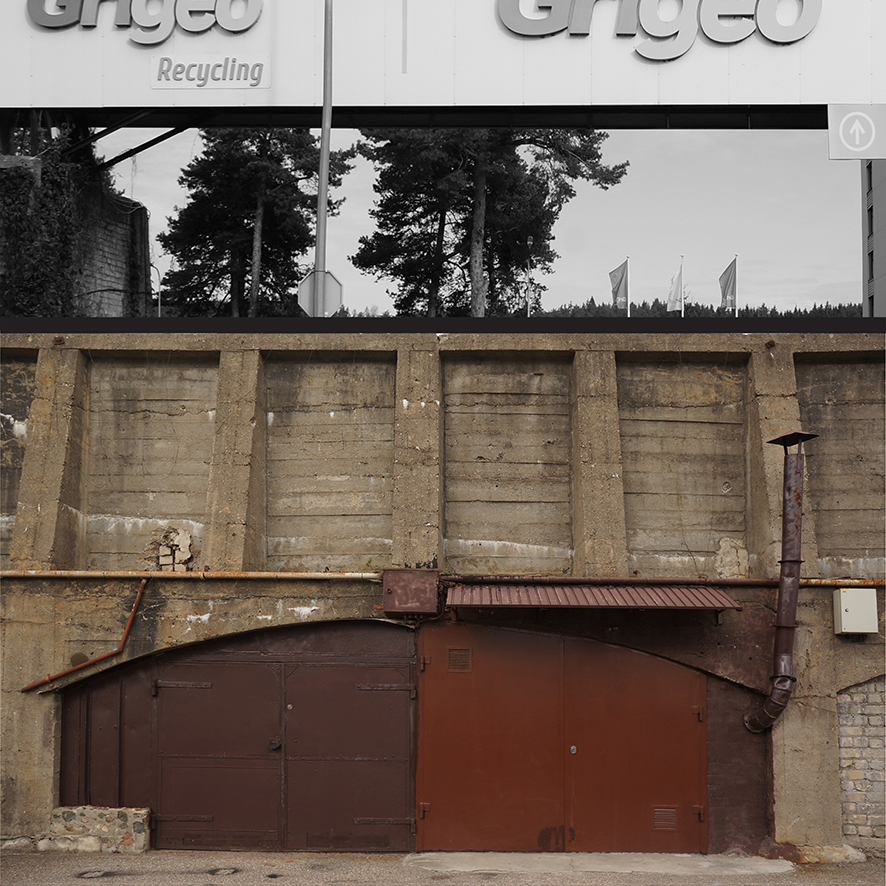


Project was supported and presented by:
project was supported by: